
Water Extraction — Jacksonville, FL
Direct answer: Water extraction in Jacksonville involves using industrial submersible pumps, weighted carpet ride-on units, and truck-mounted vacuum systems to physically remove standing liquid before it penetrates framing. In Northeast Florida's humid climate, rapid physical extraction prevents mold colonization within 24 to 48 hours. Call (904) 663-0696 to connect with licensed local restoration professionals.
Water extraction is the first physical step in any restoration job — getting standing water out of the property as fast as possible, before it spreads further into flooring, walls, and subfloor.
What equipment is used for water extraction?
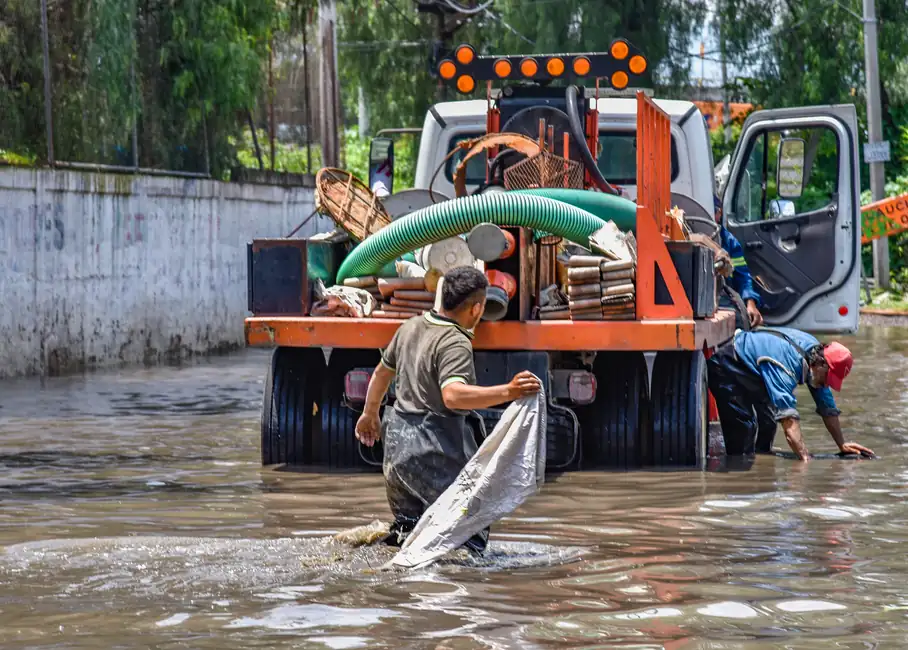
Submersible and truck-mounted pumps handle standing water more than an inch or two deep. Wet vacuums handle shallower water, carpet, and upholstery. For water that has already migrated into less visible areas, moisture meters and infrared cameras locate it before extraction equipment is positioned.
How is extraction different depending on the water source?
Clean water (a supply line break) can be extracted and the area dried without special disposal concerns. Grey water (an appliance overflow) requires more careful handling of any materials it touched. Black water (sewage or floodwater) requires disposal protocols for contaminated materials and disinfection of surfaces the water touched — extraction alone isn't the end of the process for contaminated water.
How fast does extraction need to happen?
As fast as possible. Water spreads through capillary action well beyond the visible wet area the longer it sits, and mold can begin forming within 24–48 hours. Extraction speed is the single biggest factor in whether a job stays a straightforward drying job or becomes a larger job involving material replacement and mold remediation.
Can extraction alone fix water damage?
No — extraction removes visible standing water, but structural drying and dehumidification are still needed afterward to address the moisture that's absorbed into building materials. Extraction is the first step of a multi-step process, not the whole process.
Rapid Dispatch Across Greater Jacksonville
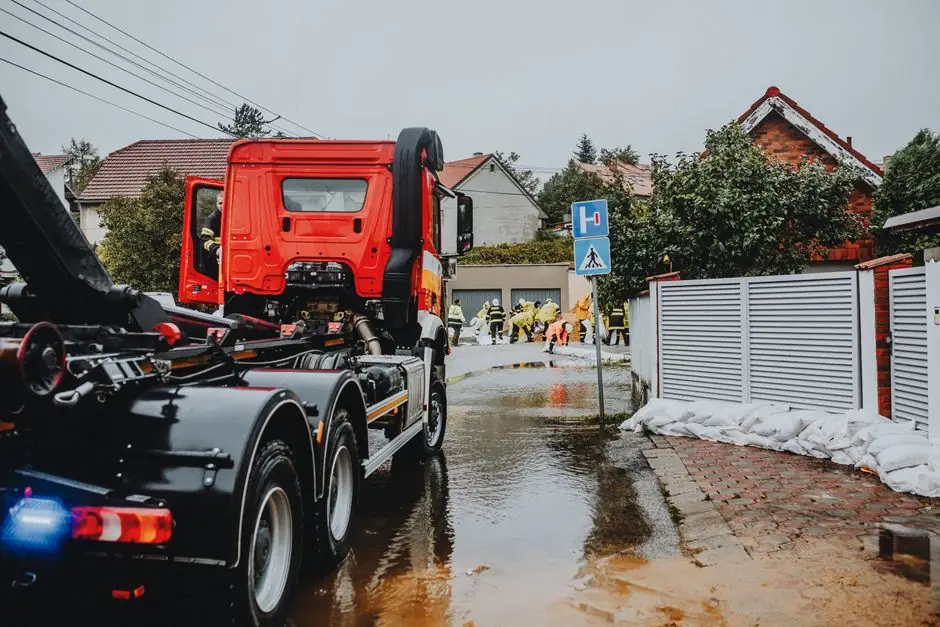
Whether you're facing river flood surge in San Marco and Riverside, or drainage backup in Westside, emergency extraction crews deploy immediately with high-capacity equipment.
How do truck-mounted units and submersible pumps power water extraction in Jacksonville?
Truck-mounted extraction units and high-flow submersible pumps remove high volumes of standing water far more rapidly than portable shop equipment. When heavy rain, plumbing bursts, or river surges flood a Jacksonville home, thousands of gallons of water accumulate across ground-floor spaces.
Truck-mounted systems utilize direct engine-driven vacuum blowers generating massive CFM (cubic feet per minute) airflow and high water lift, transferring bulk liquid directly into external waste containment tanks. For flooded crawl spaces or standing water deeper than several inches, electric or gas-powered submersible trash pumps evacuate up to thousands of gallons per hour, clearing pathways for detailed extraction of subfloors and carpets across San Marco, Riverside, and neighboring areas.
How is standing water extracted from subfloors, carpets, and concrete slabs?
Extracting water from layered floor assemblies requires specialized extraction wands, weighted rovers, and compression mats to pull trapped moisture from deep below the surface. In carpeted areas, water quickly saturates both the pile and underlying open-cell foam padding.
Technicians deploy weighted motorized rovers that compress the carpet cushion under the operator's weight, creating a tight seal that forces deep water upward into the vacuum slot without having to immediately tear out salvageable carpets in clean-water scenarios. For concrete slabs and plywood subflooring, heavy squeegee wands and high-vacuum extraction heads draw liquid out of surface capillaries, dramatically reducing drying times.
Why is physical water extraction significantly more efficient than dehumidification alone?
Physical water extraction is approximately five hundred times more energy-efficient and faster than relying on dehumidification and evaporation alone. Liquid water that is not physically pumped out must be turned into water vapor through heat and air movement before dehumidifiers can capture and condense it.
Relying on evaporation when standing liquid remains prolongs structural exposure to elevated moisture, swelling baseboards, delaminating plywood, and elevating relative humidity to near 100%. Professional restoration teams extract as much bulk liquid as physically possible before placing air movers and dehumidifiers, cutting overall drying timelines by multiple days.
How do technicians locate hidden water pockets beneath cabinets and behind baseboards?
Locating hidden water pockets beneath kitchen toe-kicks, bathroom vanities, and drywall baseboards requires non-destructive thermal imaging and specialized penetration probes. Water naturally travels the path of least resistance, flowing underneath base cabinets and pooling in unventilated wall cavities where it remains invisible to the naked eye.
Technicians utilize FLIR infrared cameras that detect thermal evaporative cooling patterns, pinpointing exact moisture boundaries behind sheetrock. Once identified, non-invasive deep-wall cavity drying systems or precision injection ports extract trapped moisture without requiring full demolition of custom cabinetry.
How does water extraction in Jacksonville FL stop microbial growth before it starts?
Water extraction in Jacksonville FL stops microbial amplification by removing the free liquid water necessary for fungal spore germination. In Duval County’s warm, subtropical climate, fungal spores dormant in drywall and framing lumber require sustained moisture and organic cellulose to start colonizing within 24 to 48 hours.
By removing standing liquid within the first several hours and immediately following extraction with EPA-registered botanical antimicrobials, technicians halt the biological clock. This aggressive physical extraction prevents minor plumbing leaks or storm runoff from transforming into hazardous mold remediation projects.
How does Water Damage Restoration Jacksonville connect you with local extraction specialists?
Water Damage Restoration Jacksonville connects Jacksonville homeowners with licensed, insured local water damage restoration professionals across Duval County. Whether an overflowing appliance, plumbing rupture, or storm surge flooded your living space, immediate extraction is crucial to protect your property's value.
From San Marco and Riverside to Southside, Downtown Jacksonville, and Westside, calling (904) 663-0696 connects you immediately with experienced local specialists armed with heavy-duty extraction trucks and moisture detection technology.
Extraction Methods Compared: Pumps vs Truck-Mounts vs Portable Extractors
Restoration crews select specialized extraction machinery depending on water depth, building access restrictions, and floor material composition.
| Extraction Equipment | Best Suited Application | Pumping & Vacuum Volume | Power & Setup Requirements | Key Strengths & Operational Limits |
|---|---|---|---|---|
| Submersible & Trash Pumps | Deep standing water (6+ inches) in flooded crawl spaces, basements, garages, or stormwater pooling. | Extreme bulk volume; discharges 50 to 200+ gallons per minute directly through 2-inch lay-flat hoses. | Requires dedicated 120V/240V utility power or portable fuel generator; external discharge path to approved drain. | Rapid bulk water evacuation; cannot remove shallow surface films, carpet water, or moisture bound in subfloors. |
| Truck-Mounted Extractors | Ground-level residential homes, commercial suites, and severe carpet and subfloor saturation across Duval County. | High vacuum lift and airflow; powered by vehicle engine PTO, pulling water deep from carpet pads and concrete pores. | Self-contained power inside service vehicle; requires vacuum and solution hose runs (up to 200–300 ft) into building. | Highest extraction speed and deep moisture recovery; limited access in high-rise condominiums or upper-floor apartments. |
| Commercial Portable Extractors | High-rise condominiums (Downtown Jacksonville), multistory apartments, interior rooms, and restricted-access locations. | Moderate to high vacuum suction; paired with weighted drag wands, motorized rovers, and stair attachments. | Operates on standard dual 15A/20A household circuits; fully mobile within elevators and tight interior hallways. | Unrestricted mobility and access; requires manual waste tank drainage or auxiliary pump-out lines, slightly reducing speed on massive losses. |
Removing 90% or more of standing water via physical extraction dramatically cuts the required structural dehumidification run time and reduces energy consumption during dry-out.
Our 4-Step Water Extraction Process
Rapid Arrival
Our extraction team arrives with truck-mounted and portable equipment ready.
Standing Water Removal
High-capacity pumps and vacuums clear all visible water fast.
Hidden Water Detection
Moisture meters and infrared find water trapped in walls and subfloors.
Drying Transition
Air movers and dehumidifiers take over for complete structural drying.
Additional Frequently Asked Questions About Water Extraction
How long does the initial water extraction process take?
For most residential properties with localized flooding, the initial physical water extraction process takes between 1 to 4 hours. Larger whole-house water events or multi-story intrusions may require additional time to thoroughly extract water from carpeting, pad, and subfloor assemblies.
Can water extraction save carpets after a plumbing flood?
If the water source is clean (Category 1), such as a supply line break, prompt high-powered extraction using weighted carpet rovers can often save both the carpet and padding. If the water has sat for more than 48 hours or originated from contaminated sources, the carpet pad must generally be replaced.
Why can't I just use my home shop vac to extract water?
Residential shop vacs have small tank capacities (5 to 10 gallons), weak suction lift, and lack medical-grade HEPA exhaust filtration. They quickly overheat, fail to pull water from deep subfloor pores, and can blow fine dust and moisture mist into the living area. Commercial extractors remove hundreds of gallons continuously.
What is the estimated cost of water extraction services in Jacksonville?
Water extraction costs in Jacksonville generally range from $500 to $2,000 for standard extraction jobs, depending on the square footage and water depth. When combined with subsequent structural drying and dehumidification, costs adjust according to project scope. Calling (904) 663-0696 connects you with local contractors who evaluate the damage and coordinate insurance claims.