
Structural Drying — Jacksonville, FL
Direct answer: Structural drying in Jacksonville is the scientific process of extracting bound moisture from dense building materials—including wall framing, subfloors, concrete slabs, and hardwood planks—using industrial air movers and commercial dehumidifiers. Instrument-verified drying prevents structural rotting and toxic mold growth in Northeast Florida's humid climate. Call (904) 663-0696 to connect with licensed local restoration professionals.
Structural drying is the step most homeowners underestimate. Extracting standing water only removes what's visible — the moisture that has soaked into drywall, subfloor, and framing needs a separate, deliberate drying process, or it becomes tomorrow's mold problem.
What is structural drying, exactly?
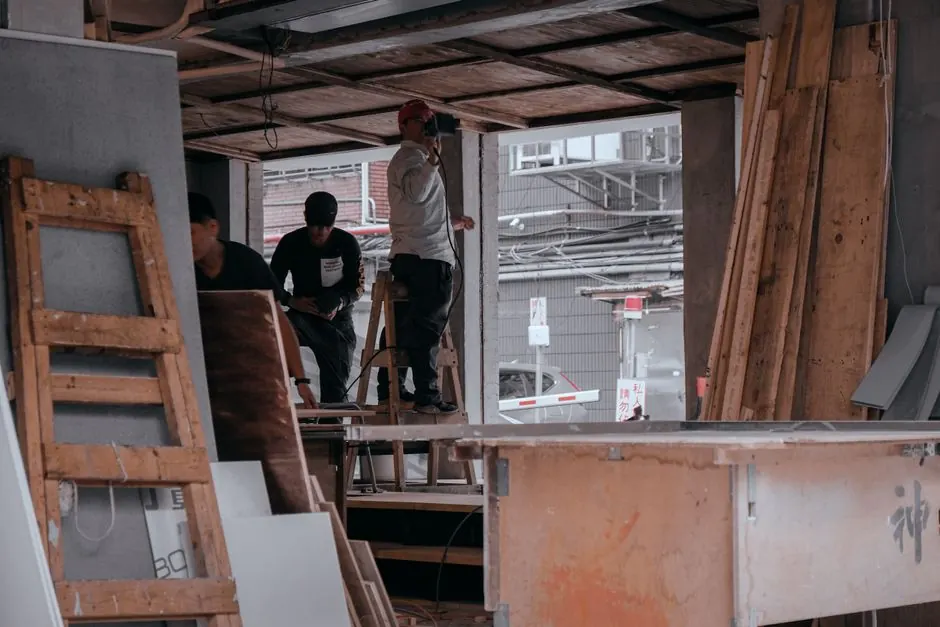
After standing water is extracted, materials like drywall, wood framing, subfloor, and insulation retain moisture well below the surface. Structural drying uses industrial air movers and dehumidifiers, positioned and calibrated based on moisture readings, to pull that trapped moisture out of the building materials themselves — not just off the surface.
How do you know when a structure is actually dry?
Moisture meters and, for harder-to-reach areas, infrared cameras are used to check readings inside walls, under flooring, and within framing — not just a visual "looks dry" check. A structure isn't considered fully dry until moisture content in affected materials returns to normal baseline levels, confirmed by instrument readings, not guesswork.
Why does Jacksonville's climate make this step more critical?
Florida's humidity works against natural drying. In a drier climate, some residual moisture might evaporate on its own over time. In Jacksonville's subtropical humidity — especially during the June–November rainy season — trapped moisture has far less chance of drying out naturally, which is exactly the condition mold needs to take hold within that 24–48 hour window.
How long does structural drying take?
Typically 3–5 days for a contained area with standard equipment, though this varies based on how much moisture was absorbed, the materials involved, and ambient humidity. Drying equipment usually stays in place and is monitored with follow-up moisture checks rather than removed after a single visit.
Serving Jacksonville's Highest-Risk Neighborhoods
Trapped moisture is especially hazardous across riverside and low-elevation Jacksonville neighborhoods, including Riverside, San Marco, Westside, and Northside. Rapid structural drying ensures complete moisture clearance before microbial growth starts.
How do technicians dry trapped moisture in historic Jacksonville crawl spaces?
Drying trapped moisture in historic crawl spaces requires high-volume axial air movers, desiccant dehumidification systems, and continuous psychrometric monitoring. Many historic residences in Riverside, Avondale, and Springfield are built on raised pier-and-beam foundations.
When plumbing leaks or ground runoff enter unconditioned crawl spaces, damp earth and poor cross-ventilation prevent water from evaporating. Moisture soaks upward into wooden floor joists, sill plates, and subfloor sheathing. Technicians lay durable vapor barrier sheeting across wet soil to stop ongoing evaporation, then position low-profile directional air movers to sweep air across joist bays, pairing them with commercial dehumidifiers to exhaust moisture without drawing humid Florida outside air into the drying envelope.
How can wet hardwood floors be saved without tearing them out?
Wet hardwood floors can often be salvaged using specialized negative-pressure floor mat drying systems that pull bound water directly out of wood cells and subflooring. When water penetrates solid oak or engineered wood planks, moisture absorbs into the underside of the wood faster than the polyurethane-coated surface can evaporate it.
This moisture imbalance causes planks to "cup" (edges curling upward) or "crown." Restoration specialists tape high-density vacuum mats over cupped hardwood floor seams and connect them to high-pressure extraction blowers. The vacuum creates a deep negative-pressure zone that pulls trapped moisture upward through plank joints into water separators, restoring wood moisture content to normal equilibrium levels and reversing cupping before permanent fiber deformation occurs.
What is psychrometry and how does science guide the structural drying process?
Psychrometry is the thermodynamic science of atmospheric air, temperature, vapor pressure, and moisture content that restoration professionals use to calculate optimal drying conditions. Rather than simply feeling whether a room seems dry, technicians take daily psychrometric measurements, including ambient temperature, relative humidity (RH), dew point, and grains per pound (GPP) of specific humidity.
By calculating the vapor pressure differential between saturated structural materials and the surrounding indoor air, technicians calibrate dehumidifiers and heat exchangers to maintain an aggressive evaporation rate, ensuring moisture constantly moves out of dense building assemblies into the air stream to be condensed and removed.
How do pin-type meters and non-invasive sensors track drying progress?
Tracking structural drying progress requires both non-invasive radio frequency moisture meters and deep pin-type resistance probes. Non-invasive scanners allow technicians to quickly survey large expanses of drywall, plaster, and tiled floors without poking holes, detecting subsurface moisture up to an inch deep.
To measure deep structural timber—such as 2x4 wall framing, sill plates, and plywood subfloors—technicians drive insulated pin probes directly into the core of the wood. The electrical resistance between the probe tips delivers an exact percentage of wood moisture content (WMC). Daily readings are plotted on drying charts until materials reach normal regional baselines (typically 10% to 12% WMC in North Florida).
Why do dense building materials like plaster and concrete require extended drying?
Dense building assemblies such as concrete masonry units, slab foundations, and historic multi-coat plaster have tight pore structures that slow the rate of internal moisture diffusion. Unlike modern drywall and fiberglass, which release moisture relatively quickly, bound water trapped deep within a monolithic concrete slab moves toward the surface through microscopic capillaries at an extremely gradual rate.
If new flooring, paint, or cabinetry is installed before deep moisture has evaporated, vapor emissions will degrade adhesives, cause vinyl flooring to blister, and support mold growth beneath finish layers. Specialized desiccant dehumidifiers generating ultra-low vapor pressures are deployed to draw out deep capillary water.
How does Water Damage Restoration Jacksonville connect you with structural drying pros?
Water Damage Restoration Jacksonville connects Jacksonville homeowners with licensed, insured local water damage restoration professionals across Duval County. Structural drying requires heavy commercial equipment, deep technical knowledge of building assemblies, and precise moisture monitoring instruments.
Whether you live in Southside, San Marco, Downtown Jacksonville, or Westside, calling (904) 663-0696 connects you immediately with experienced local contractors who deploy industrial air movers and dehumidifiers, maintain daily drying logs, and certify your home is thoroughly dry.
Drying Methods Compared: Air Movers vs Dehumidifiers vs Desiccants
Balanced psychrometric drying requires matching airflow evaporation tools with specialized moisture removal equipment adapted to Jacksonville's humid subtropical environment.
| Equipment Category | Primary Operating Mechanism | Optimal Application in Jacksonville | Environmental Operating Limits | Role in Comprehensive Drying System |
|---|---|---|---|---|
| Centrifugal & Axial Air Movers | Directs high-velocity laminar airflow across surfaces to accelerate water evaporation from wet assemblies into ambient air. | Drying carpets, subflooring, open wall baseplates, ceiling joists, and exposed timber studs across all water loss classes. | Effective across all temperature ranges; must always operate alongside dehumidifiers to prevent air supersaturation. | The "evaporator" that lifts bound liquid water off physical surfaces into vapor form for dehumidifiers to capture. |
| Low-Grain Refrigerant (LGR) Dehumidifiers | Cools incoming air below dew point to condense vapor into liquid water, exhausting warm, dry air back into the drying chamber. | Standard residential and commercial water losses in Jacksonville homes (drywall, carpet, lumber, and subfloors). | Optimized for 70°F–90°F and pulls moisture efficiently down to 30–40 grains per pound (GPP). | The workhorse "moisture collector" that drives down relative humidity and creates the vapor pressure differential needed for continuous drying. |
| Industrial Desiccant Dehumidifiers | Passes process air through a rotating silica gel honeycomb rotor, chemically adsorbing moisture and venting moist reactivation air outdoors. | Historic plaster walls (Riverside/Avondale), multi-ply hardwood floors, crawl spaces, and cooler weather restoration. | Operates down to near 0°F and drives moisture grains down to single digits (under 15–20 GPP). | The deep-drying specialist used for dense, hygroscopic materials and low-vapor-pressure environments where refrigerant units stall. |
Technicians measure daily moisture content (MC) in framing and relative humidity (RH) to ensure materials return to regional dry standards before concluding service.
Our 4-Step Structural Drying Process
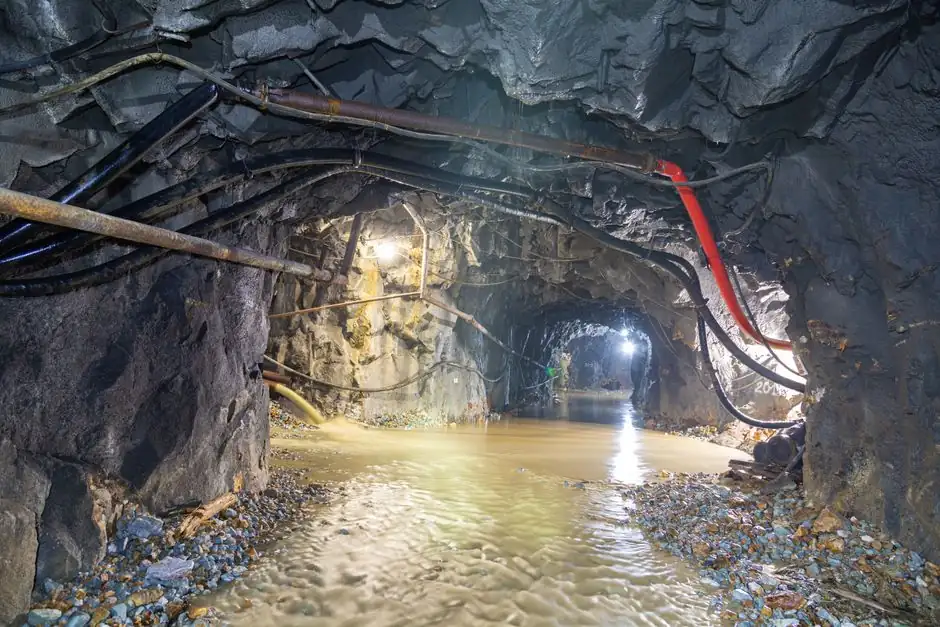
Moisture Mapping
Infrared imaging and pin meters create a complete map of moisture in your structure.
Targeted Drying
Air movers, dehumidifiers, and injection systems dry each material to its specific target.
Daily Monitoring
Readings are logged daily; equipment is repositioned as drying progresses through zones.
Dry Certification
Final readings document that all structural materials meet dry standards.
Additional Frequently Asked Questions About Structural Drying
What is the normal moisture content for wood studs in a Jacksonville home?
In Northeast Florida's humid climate, the normal baseline moisture content for structural wood studs and subfloors typically ranges between 10% and 14%. During active water damage, readings often exceed 25% to 30%, which is well within the threshold that supports active wood rot and fungal colonization.
Can structural drying be completed using household fans and open windows?
No. Opening windows in Jacksonville typically introduces outside air with 70% to 90% relative humidity, which adds moisture into the building rather than removing it. Household box fans merely circulate moist air without extracting vapor. Commercial drying requires closed-envelope dehumidification that extracts tens of gallons of water daily.
Why is it necessary to take daily moisture readings during structural drying?
Daily moisture readings are essential to verify that drying equipment is effectively reducing moisture content in building materials, to adjust equipment placement for wet pockets, and to generate an official drying log for insurance adjusters verifying the structure is confirmed dry before rebuild work begins.
How much does professional structural drying cost in Jacksonville?
Professional structural drying costs in Jacksonville typically range from $1,200 to $3,800, depending on the square footage affected, number of commercial air movers and dehumidifiers deployed, and days required to meet dry standard baselines. Calling (904) 663-0696 connects you with local experts who provide evaluations and insurance documentation.