
Water Damage Restoration — Westside, FL
Direct answer: Water damage restoration on Jacksonville's Westside focuses on extracting ditch overflow, resolving slab foundation moisture migration, and remediating cast iron sewer line backups. Because many Westside residences are mid-century slab-on-grade ranches, rapid industrial water extraction and targeted dehumidification are essential to stop moisture from wicking upward into drywall, baseboards, and structural framing.
Westside's water damage risk looks different from the riverside neighborhoods — here, the issue isn't storm surge, it's drainage that hasn't kept pace with the area's growth.
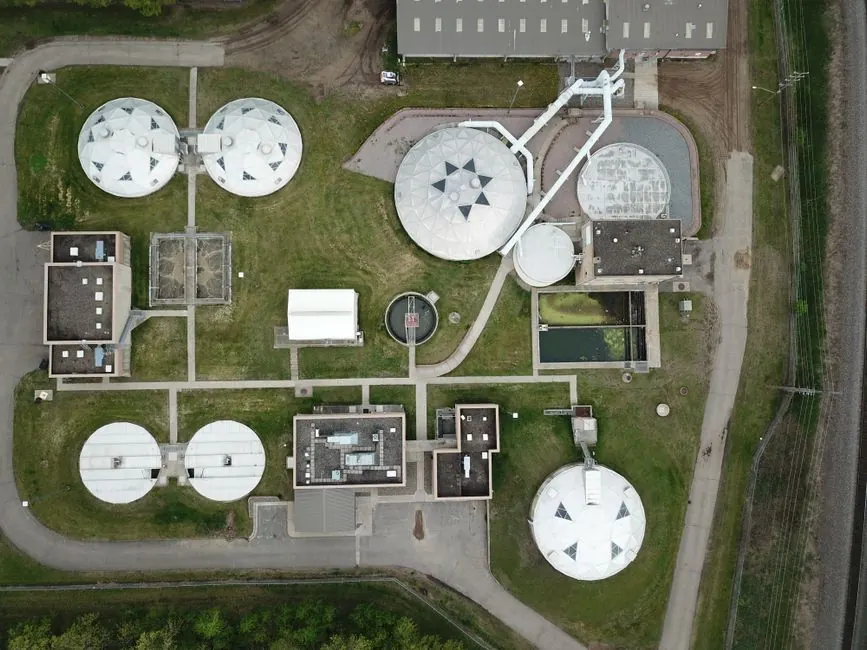
Why does Westside flood without being near the river?
Westside's drainage infrastructure has struggled to keep up with heavy rainfall in parts of the area, meaning water can pool and back up during storms independent of hurricane season or river levels entirely. This is a drainage-capacity issue, not a proximity-to-water issue — which means it can happen during an ordinary summer thunderstorm, not just named storms.
Is Westside's flood risk seasonal?
Less seasonal than the storm-surge risk in Riverside or San Marco. Because the underlying cause is drainage capacity rather than river surge, any period of sustained or heavy rainfall — which in Jacksonville includes much of the summer rainy season from June through November — can trigger localized flooding in drainage-limited pockets of Westside.
What's the best way to protect a Westside property from drainage-related flooding?
Make sure gutters and downspouts direct water away from the foundation, keep an eye on any low-lying areas of the yard that tend to pool water, and know your home's flood insurance status — since standard homeowners insurance typically doesn't cover flood-driven water intrusion, and drainage backup is a flood-adjacent risk in the way insurers usually classify it.
Also serving nearby: Northside → · Downtown Jacksonville →
Why do drainage ditch and swale overflows cause recurring water damage across Jacksonville's Westside?
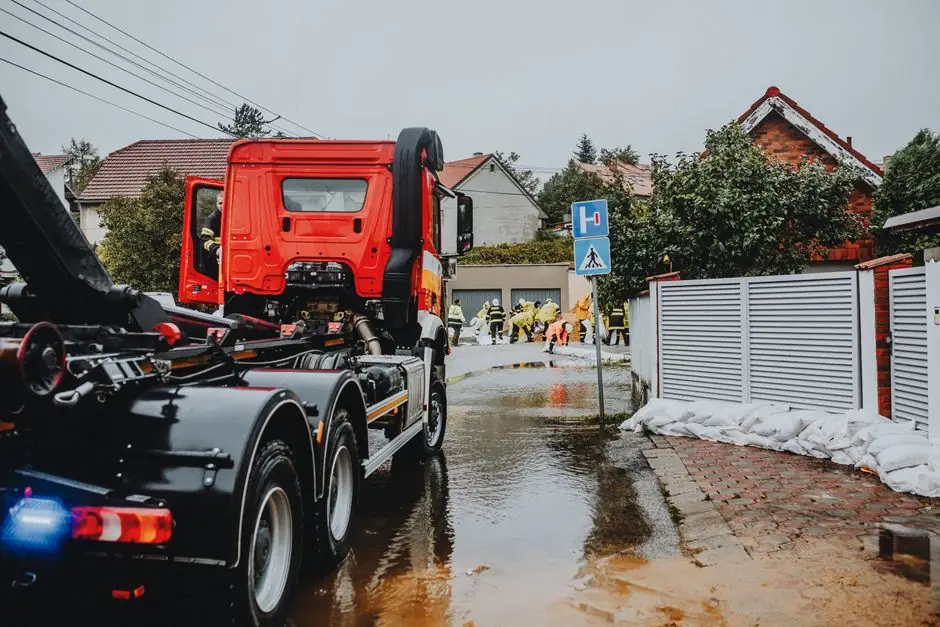
Jacksonville's expansive Westside—including Cedar Hills, Normandy, Hyde Park, and Ortega Farms—relies heavily on open drainage ditches, roadside swales, and culvert networks rather than comprehensive underground storm sewers. During the peak of convective summer storms or stalled tropical weather, high-intensity rainfall rapidly overwhelms these shallow channels, causing water to pool across driveways, carports, and front lawns.
When roadside ditches spill over, stormwater flows toward home foundations, backing up against slab foundations and entering through door thresholds, garage step-downs, and wall weep holes. Water Damage Restoration Jacksonville connects Jacksonville homeowners with licensed, insured local water damage restoration professionals who deploy high-volume trash pumps and truck-mounted extraction equipment to pump away standing water and secure the structure. Learn more about emergency flood mitigation through our flood damage restoration services.
How do concrete slab foundations on the Westside absorb and wick moisture into wall framing?
Most residential subdivisions developed across the Westside between 1955 and 1980 feature monolithic poured concrete slab foundations. Concrete is inherently porous; when saturated with stormwater or an internal slab plumbing leak, it functions like a subterranean wick through capillary action, transferring moisture upward into bottom plate framing, drywall, and finish flooring.
If water sits on a concrete slab for even 24 hours, moisture wicks upward into interior drywall up to 18 to 24 inches above the baseboards. Carpet padding disintegrates, while glue-down vinyl planks or engineered wood trap water against the concrete, creating a hidden breeding ground for mildew and black mold. Restoration technicians perform deep flood cuts and place high-velocity air movers beneath containment poly to dry both the framing and the concrete slab thoroughly. Discover our specialized structural drying solutions.
What causes frequent cast iron sewer pipe collapses and black water backups in older Westside ranch homes?
Homes constructed across Cedar Hills and Normandy during the 1960s were plumbed with horizontal cast iron drainpipes beneath the concrete slab. In Jacksonville's acidic soil and humid groundwater environment, cast iron pipes deteriorate from channeling along the pipe bottom and interior tuberculation over a 40-to-60-year lifespan.
Tree root intrusion from mature Westside pine and oak trees frequently breaks weakened cast iron sewer lines, preventing wastewater from draining to the municipal main and triggering sudden toilet and shower backups during heavy showers. Sewage backups represent Category 3 biohazards containing viral bacteria, pathogens, and black water contaminants. Restoration crews immediately extract black water, remove unsalvageable porous padding, and sanitize all non-porous surfaces with EPA-registered disinfectants. Review our certified sewage cleanup procedures.
How does Jacksonville's clay-rich soil composition slow drainage and threaten Westside foundations?
Geological mapping across Duval County shows the Westside underlain by dense hardpan clay and sandy loam with very low hydraulic conductivity. When saturated by tropical rainfall or river overflow near the Cedar River, the soil cannot absorb additional runoff, creating prolonged hydrostatic pressure against foundation perimeters.
This persistent ground saturation prevents crawl spaces and under-slab areas from drying naturally, sustaining high humidity levels inside wall cavities even when ambient temperatures exceed 90 degrees Fahrenheit. Without continuous mechanical extraction and commercial low-grain refrigerant (LGR) dehumidification, indoor relative humidity remains high enough to spark secondary microbial contamination within 48 hours. Explore our emergency dehumidification services.
Why do attic duct condensation and roof ponding create hidden ceiling moisture in Westside homes?
Many Westside homes feature low-slope roofs, carports, and complex attic ductwork routing conditioned air through unconditioned attic spaces that regularly surpass 130 degrees Fahrenheit in the summer. When insulation degrades or duct seams pull apart, severe temperature deltas cause duct surfaces to sweat heavily, dripping condensation onto ceiling drywall.
Over time, continuous condensation pools in ceiling insulation until the drywall softens, bows, and collapses into living spaces. Flat or low-pitch carport and patio roof additions also suffer from pooling water during heavy rainstorms, causing hidden rot along structural fascias and exterior walls. Professional restoration teams inspect attic voids and crawl spaces with thermal cameras to identify the exact origin of moisture intrusion before performing repairs.
What immediate water removal steps protect Westside properties after severe convective rainstorms?
When convective thunderstorms drop multiple inches of rain in under an hour across the Westside, property owners must take immediate defensive action. Turn off the main water shutoff valve if a plumbing break is suspected, and trip electrical breakers controlling submerged rooms or outlets to prevent electrocution hazards.
Elevate furniture off wet carpets by placing plastic wrap or aluminum foil squares under wooden and metal legs, and roll up oriental rugs or loose floor coverings to prevent color bleeding onto flooring. Water Damage Restoration Jacksonville connects Jacksonville homeowners with licensed, insured local water damage restoration professionals available 24/7 at (904) 663-0696. You can also explore our broader coverage across the Jacksonville service areas hub.
Local Water Damage Questions Answered
How do restoration technicians dry flooded concrete slabs in Westside ranch houses?
Crews remove non-salvageable flooring materials that trap moisture against the concrete, deploy commercial low-grain refrigerant (LGR) dehumidifiers, and aim industrial centrifugal air movers directly at the slab surface to draw out deep capillary moisture.
What makes sewage backups from aging Westside plumbing lines dangerous for residents?
Raw sewage contains Category 3 pathogens, including E. coli, parasites, and hepatitis viruses. Porous building materials like drywall and carpet padding absorb these biological contaminants and must be removed and discarded under biohazard protocols.
Does homeowners insurance cover ditch and retention swale overflow on the Westside?
Standard homeowners insurance policies typically exclude external rising floodwaters and surface runoff, which require a separate flood insurance policy through FEMA or private carriers. However, interior plumbing failures or sewer backup endorsements are often covered under standard policies.
How quickly does mold spread in unconditioned Westside homes during humid summer months?
In Northeast Florida's warm, humid climate, active mold spores germinate and colonize wet drywall, baseboards, and subflooring within 24 to 48 hours of initial water contact unless relative humidity is mechanically forced below 50%.
Connect With Local Water Damage Restoration Professionals
Water Damage Restoration Jacksonville connects Jacksonville homeowners with licensed, insured local water damage restoration professionals. When water threatens your property, rapid mitigation is critical to protect structural integrity and indoor air quality.
Westside, Jacksonville FL Map & Service Boundaries
We coordinate rapid flood extraction, storm damage repair, and crawl space structural drying across Westside neighborhoods, Ortega, and Cedar Hills.