
Water Damage Restoration — Southside, FL
Direct answer: Water damage restoration in Southside, Jacksonville, specializes in resolving retention pond overflow, slab-on-grade moisture migration, and polybutylene pipe ruptures. Serving expansive subdivisions from Baymeadows to the Town Center, local professionals utilize thermal imaging, high-velocity air movers, and industrial dehumidifiers to dry wall cavities and flooring before tropical Florida humidity triggers aggressive mold colonization.
Southside is one of Jacksonville's larger and more varied areas, spanning a mix of established residential streets and newer development east of San Marco — which means its water damage risk factors vary more than in a smaller, more uniform neighborhood.
What causes water damage in Southside?
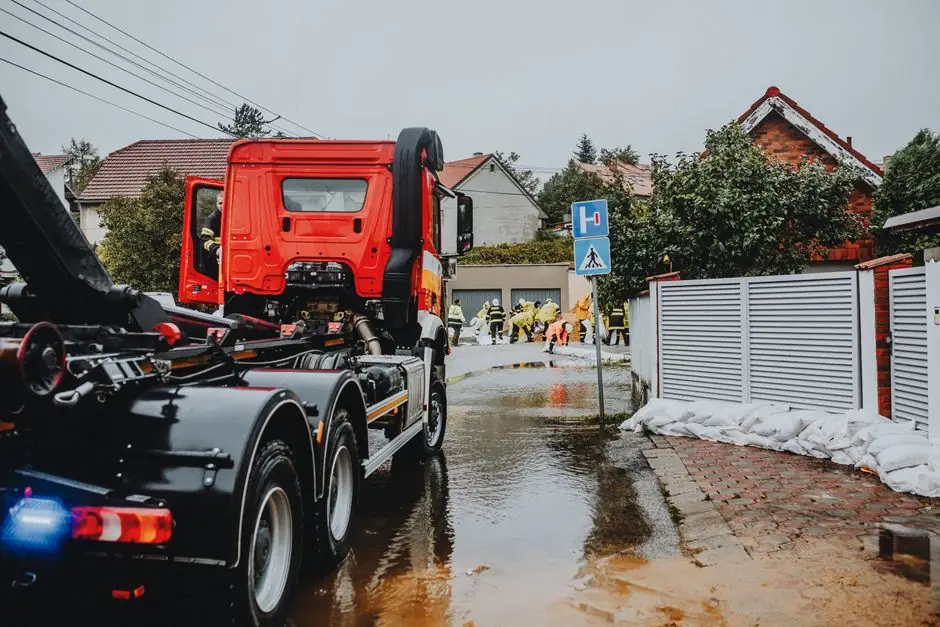
Southside includes areas near tributary creeks feeding into the St. Johns River, which can see localized flooding during heavy rainfall independent of hurricane season — similar in mechanism to the drainage-driven flooding seen in Westside, though tied to creek overflow rather than storm drain capacity. Beyond that, Southside's mix of older and newer construction means plumbing-related water damage follows a similarly mixed pattern — newer homes see more appliance-related failures, while older sections deal with aging pipe infrastructure.
Is Southside considered a flood-risk area?
Parts of Southside near creek corridors carry meaningful flood risk during heavy, sustained rainfall — worth checking your specific property's flood zone status regardless of hurricane season, since this risk isn't limited to named storms.
How does Southside's water damage risk compare to Baymeadows or Mandarin?
Southside sits between the more established, older areas closer to San Marco and the newer development patterns further out toward Baymeadows and Mandarin — its risk profile reflects that transition, with plumbing age mattering more in older sections and drainage/creek proximity mattering more near water features throughout the area.
Also serving nearby: San Marco → · Baymeadows → · Mandarin →
Why do failed retention ponds and clogged neighborhood drainage systems flood Southside subdivisions?
The Southside of Jacksonville—stretching across Baymeadows, Southpoint, Deerwood, and the St. Johns Town Center corridor—contains hundreds of residential master-planned communities developed from the late 1970s through the 2000s. Virtually all of these developments rely on artificial retention ponds and drainage easements engineered to collect stormwater runoff before releasing it into regional drainage canals.
Over years of development, silt accumulation, invasive aquatic weeds, and clogged outflow weirs compromise retention pond capacity. During torrential tropical storms or stalled summer frontal systems, retention ponds reach capacity and spill backward across low-lying lots, flooding back patios, garage slabs, and ground-floor living areas. Water Damage Restoration Jacksonville connects Jacksonville homeowners with licensed, insured local water damage restoration professionals ready to extract floodwater and sanitize homes immediately. Learn about our rapid flood damage restoration options.
How does 1980s and 1990s polybutylene plumbing cause catastrophic sudden pipe bursts in Southside homes?
Thousands of homes and condominiums constructed throughout the Southside between 1978 and 1995 were plumbed with polybutylene piping—frequently branded as Quest pipe—paired with plastic acetal fittings. Polybutylene reacts poorly to municipal chlorine and chloramines, causing micro-fractures in pipe walls and brittle failure at crimp rings.
Unlike slow pinhole leaks, polybutylene fittings often fail suddenly and catastrophically, releasing hundreds of gallons of pressurized water inside second-floor ceilings, laundry rooms, or attic voids while residents are at work. The resulting water cascade saturates drywall, collapses acoustic ceilings, and pools under first-floor laminate flooring. Restoration contractors provide emergency water extraction, set up containment barriers, and deploy industrial dehumidifiers to stabilize the residence. Review our dedicated burst pipe repair and cleanup services.
What makes upstairs laundry room and water heater failures so destructive in multi-story Southside residences?
Modern two-story homes and townhomes common in Southside neighborhoods often place laundry rooms and high-capacity water heaters on the second floor for convenience. When a rubber washing machine supply hose bursts under 60 PSI or a 50-gallon water heater tank ruptures, water quickly floods the upper floor before penetrating subflooring and dripping through main-level ceilings.
Water travels laterally along floor joists, down electrical wiring channels, and into recessed light fixtures, threatening multiple rooms simultaneously. Immediate professional extraction using ride-on or wand units is critical to prevent subfloor OSB delamination and drywall rot on the floor below. Local technicians map moisture penetration using thermal cameras to ensure no hidden water pockets remain trapped behind insulated ceilings. Discover our emergency water removal protocols.
How do concrete slab foundations on the Southside interact with high ground water tables?
Southside topography features flat terrain with a seasonal water table that sits within 12 to 24 inches of the surface across many neighborhoods. Concrete slab-on-grade homes without intact vapor barriers experience continuous vapor emissions driven upward through the slab by subterranean hydrostatic pressure.
When an internal plumbing leak occurs or exterior groundwater rises, concrete slabs absorb massive amounts of moisture. Laying luxury vinyl plank (LVP) or laminate directly over damp concrete traps moisture, creating white efflorescence and musty mold growth beneath floor underlayment. trained technicians use commercial desiccant dehumidifiers and high-velocity air movers to thoroughly dry concrete subfloors before new floor coverings are installed. Explore our structural drying solutions.
What protocols resolve water migration across shared firewall assemblies in Southside townhomes?
Southside features extensive townhome developments and multi-family communities where residences share two-hour fire-rated drywall partition assemblies. When an appliance or supply pipe fails in one unit, water inevitably crosses the party wall, entering the adjacent homeowner's living space and insulation.
Restoring shared party walls requires careful moisture mapping on both sides of the boundary, coordination between multiple insurance carriers, and non-destructive drying techniques to avoid compromising fire-resistance ratings. Local restoration teams coordinate directly with HOA management and both homeowners to ensure complete sanitization and documentation. For broader regional service coverage, review our Jacksonville service areas hub.
What immediate mitigation steps prevent widespread mold outbreaks in high-humidity Southside residences?
In Southside's warm, humid climate, microbial spores colonize wet drywall, baseboards, and carpet backing within 24 to 48 hours following a water intrusion event. Homeowners must never leave wet carpet unaddressed or rely solely on residential box fans, which only circulate humid air without extracting moisture.
Shut off main water supplies immediately, turn off HVAC systems if ductwork is wet to prevent spore distribution, and move dry personal items into unaffected rooms. Water Damage Restoration Jacksonville connects Jacksonville homeowners with licensed, insured local water damage restoration professionals equipped with industrial LGR dehumidifiers and antimicrobial agents. Call (904) 663-0696 for rapid 24/7 dispatch.
Local Water Damage Questions Answered
Why are polybutylene pipes in older Southside homes particularly prone to sudden bursting?
Polybutylene interacts with chlorine disinfectants in municipal drinking water, causing internal micro-cracking and brittleness at plastic fittings that lead to catastrophic high-pressure pipe ruptures without prior warning.
How does retention pond overflow during tropical storms affect Southside home insurance claims?
External water rising from overloaded retention ponds is categorized as rising floodwater, requiring a specific NFIP or private flood insurance policy, whereas indoor pipe bursts are handled under standard homeowners insurance.
What should Southside townhome owners do when water leaks through a shared party wall?
Immediately notify your neighbor and HOA management, shut off water supplies, take photos of the intrusion point, and contact a professional restoration company to perform dual-unit moisture mapping and establish insurance records.
How do restoration specialists detect trapped water beneath laminate and luxury vinyl plank flooring?
Technicians utilize non-invasive radio frequency moisture meters and infrared thermal imaging cameras that detect temperature anomalies caused by evaporative cooling beneath floor planks without puncturing surfaces.
Connect With Local Water Damage Restoration Professionals
Water Damage Restoration Jacksonville connects Jacksonville homeowners with licensed, insured local water damage restoration professionals. When water threatens your property, rapid mitigation is critical to protect structural integrity and indoor air quality.
Southside, Jacksonville FL Map & Service Boundaries
We coordinate multi-unit drying, appliance leak extraction, and high-capacity dehumidification across Southside residential subdivisions and townhome communities.