
Water Damage Restoration — Downtown Jacksonville, FL
Direct answer: Water damage restoration in Downtown Jacksonville addresses multi-story vertical riser pipe breaks, fire sprinkler discharges, and historic commercial building intrusions. Because Downtown properties include high-rise condominiums and century-old commercial structures, certified professionals deploy high-capacity extraction units, desiccant drying systems, and strict containment to prevent water migration across tenant boundaries and structural concrete.
Downtown Jacksonville's mix of historic buildings and newer high-rise development along the St. Johns River creates two very different water damage risk profiles under one neighborhood name.
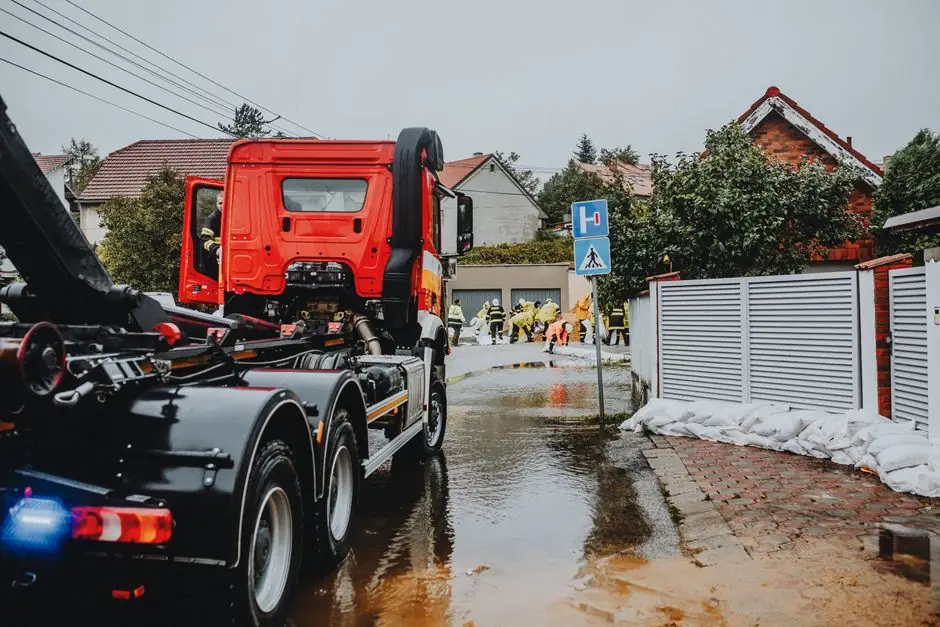
Why does Downtown Jacksonville see water damage?
Older commercial and residential buildings downtown often carry plumbing infrastructure that predates modern codes, making pipe failures and slow leaks a recurring issue — the same age-related risk seen in Springfield. Newer high-rise buildings closer to the river face a different exposure: proximity to the St. Johns River means storm surge risk during hurricane season, along with the added complexity of multi-unit buildings where a leak on one floor can quickly affect units below.
Is Downtown more at risk during hurricane season?
The riverfront sections of Downtown share the same storm surge exposure as Riverside and San Marco, given their position along the St. Johns River. Hurricane season runs June through November, peaking between August and October. Away from the immediate riverfront, older-building plumbing failures remain a year-round risk independent of storm season.
What's different about water damage in a high-rise versus a house?
In multi-unit buildings, water damage often isn't contained to one unit — a leak or pipe failure can affect ceilings and units below before it's even discovered by the unit where it originated. Fast response matters even more in this setting, since the damage radius can expand vertically through a building, not just across a single floor.
Also serving nearby: Riverside → · San Marco → · Springfield →
How do vertical plumbing riser failures cause multi-floor water damage in Downtown Jacksonville high-rises?
Downtown Jacksonville's residential and commercial landscape features prominent high-rise towers along the Northbank and Southbank, such as The Peninsula, The Strand, and multi-tenant office complexes on Bay Street and Laura Street. In these multi-story buildings, domestic water distribution relies on vertical pressurized risers operating under continuous high static pressure to reach upper penthouses.
When a main water riser, expansion joint, or booster pump valve fails on an upper floor—such as level 18—thousands of gallons of pressurized water cascade downward through utility shafts, electrical chases, elevator hoistways, and drywall partition walls across dozens of residential units. Water Damage Restoration Jacksonville connects Jacksonville homeowners with licensed, insured local water damage restoration professionals equipped for large-loss high-rise mitigation. Learn about our emergency extraction capabilities through our emergency water removal services.
Who is legally responsible for condo water damage under Florida condominium statutes Downtown?
Condominium water damage in Downtown Jacksonville introduces complex legal and insurance boundaries governed by Florida Statute 718.111(11). Under Florida law, the condominium association master insurance policy is generally responsible for restoring common elements, structural exterior walls, load-bearing columns, and 'bare walls' boundary assemblies.
Conversely, the individual unit owner's HO-6 policy typically covers 'betterments and improvements'—such as hardwood flooring, luxury cabinetry, wall coverings, specialized light fixtures, and personal contents. Prompt coordination between building management, association adjusters, and individual unit owners is essential. Professional restoration teams supply segregated moisture logs and unit-by-unit scope documentation to streamline multi-carrier claims resolution. Explore our water damage restoration services.
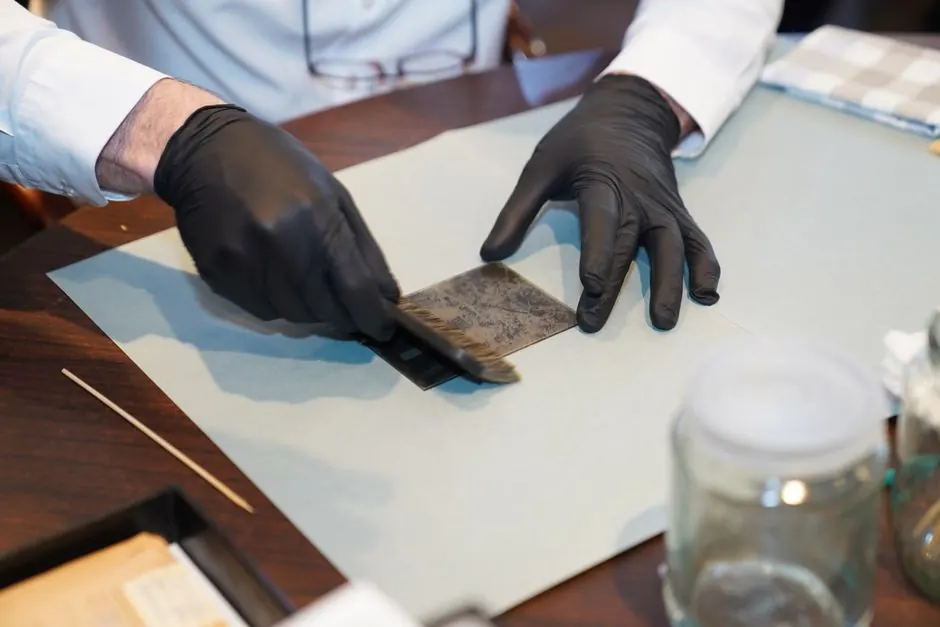
Why do converted historic lofts near Laura Street present unique drying and structural hurdles?
Many historic commercial buildings constructed in Downtown Jacksonville following the Great Fire of 1901 have been thoughtfully restored and repurposed into residential lofts, creative office spaces, and boutique storefronts. These structures feature historic heart pine beams, exposed structural brick, and ornamental cast-iron framing that require specialized drying care.
Applying overly aggressive heat or improper drying techniques to historic timber framing can cause rapid dimensional shrinkage, checking, and twisting. Furthermore, original lime-based mortar between historic exterior bricks degrades if saturated for extended periods. Restoration specialists utilize precision desiccant dehumidifiers to gently draw moisture from historical timbers without causing catastrophic structural distortion. Review our comprehensive structural drying protocols.
How does accidental fire sprinkler discharge impact Downtown commercial offices and retail spaces?
Commercial fire suppression systems installed across Downtown Jacksonville towers hold water under high pressure inside black iron piping. Because sprinkler water sits stagnant in iron lines for years or decades, it accumulates black sediment, pipe scale, and foul odors before accidental discharge caused by mechanical head damage or heat sensor failure occurs.
When a single sprinkler head is struck or malfunctions, it discharges approximately 20 to 60 gallons of black, odor-heavy water per minute until building engineers shut the riser control valve. This water saturates acoustic ceiling tiles, modular carpet tiles, server racks, and office paperwork. Technicians provide immediate water extraction, HEPA air scrubbing, and antimicrobial fogging to decontaminate commercial work environments and restore air quality.
What specialized equipment is required to extract water and dry elevator shafts and concrete subfloors?
When large-volume leaks occur in high-rise buildings, gravity directs water into elevator hoistways, collecting in the elevator pit at the building's lowest level. Elevator pits house high-voltage wiring, hydraulic rams, mechanical counterweights, and safety sensors that suffer permanent electrical shorting if submerged.
Drying high-rise concrete subfloors also requires heavy-duty trailer-mounted desiccant dehumidifiers with flexible ducting routed through exterior windows or mechanical shafts. Because concrete floor slabs are several inches thick, restoration crews use deep concrete moisture meters and relative humidity probe sleeves (ASTM F2170 standard) to verify complete dryness before new floor coverings are installed. Find out more through our burst pipe repair and cleanup or view our Jacksonville service areas hub.
What should Downtown condominium owners and property managers do in the first hour of a major leak?
During the first hour of a commercial or residential high-rise water breach in Downtown Jacksonville, speed is vital. Immediately notify building security and facilities management so building engineers can close the sectional riser valve controlling that specific zone.
Shut down elevators servicing the affected tower bank to prevent elevator cabs from running through water cascades and frying electrical controls. Property managers should establish safe containment around utility risers and document all waterlines with digital photography. Water Damage Restoration Jacksonville connects Jacksonville homeowners and property managers with licensed, insured local water damage restoration professionals available 24/7 at (904) 663-0696.
Local Water Damage Questions Answered
How do restoration crews handle multi-unit water damage claims in Downtown Jacksonville condominiums?
Crews establish containment in individual units, assign dedicated room-by-room moisture logs, and coordinate separate scopes of work for the condominium association master policy and each individual homeowner's HO-6 insurance provider.
What happens when water enters elevator pits or electrical chases in Downtown towers?
Technicians coordinate with certified elevator mechanics and electricians to safely isolate electrical power, pump standing water from the pit, clean sludge and mechanical grease, and mechanically dry safety switches before re-certification.
Can commercial-grade acoustic ceilings and modular office carpet be salvaged after a high-rise leak?
Acoustic ceiling tiles absorb contaminated water and lose structural integrity, requiring replacement. Modular carpet tiles can frequently be extracted, disinfected, dried, and re-laid if water is clean Category 1 and addressed within 24 hours.
How does Florida Statute 718 govern water damage repairs between Downtown condo owners and the HOA?
Florida Statute 718.111(11) dictates that the association master policy covers structural drywall and perimeter boundaries, while individual owners are responsible for interior finishes, floor coverings, cabinetry, and personal belongings.
Connect With Local Water Damage Restoration Professionals
Water Damage Restoration Jacksonville connects Jacksonville homeowners with licensed, insured local water damage restoration professionals. When water threatens your property, rapid mitigation is critical to protect structural integrity and indoor air quality.
Downtown Jacksonville, FL Map & Service Boundaries
We coordinate commercial and high-rise water extraction, concrete floor drying, and emergency plumbing mitigation throughout Downtown Jacksonville and the urban core.