
Storm Damage Restoration — Jacksonville, FL
Direct answer: Storm damage restoration in Jacksonville involves rapid building envelope stabilization, emergency roof tarping, extraction of wind-driven rain, and structural dehumidification. Following severe tropical weather or Atlantic nor'easters, quick mitigation protects structural integrity and stops mold proliferation in Florida's humid climate. Call (904) 663-0696 for licensed, insured local restoration professionals.
Storm damage in Jacksonville covers more than just flooding — wind, downed trees, and roof damage during tropical storms and hurricanes often create water intrusion points that wouldn't exist otherwise.
What counts as storm damage versus regular water damage?
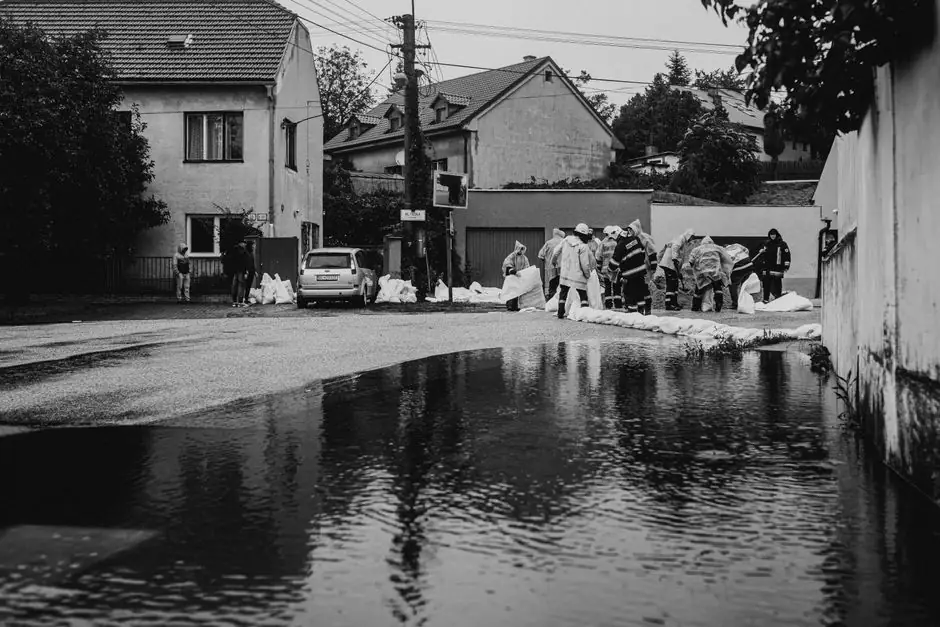
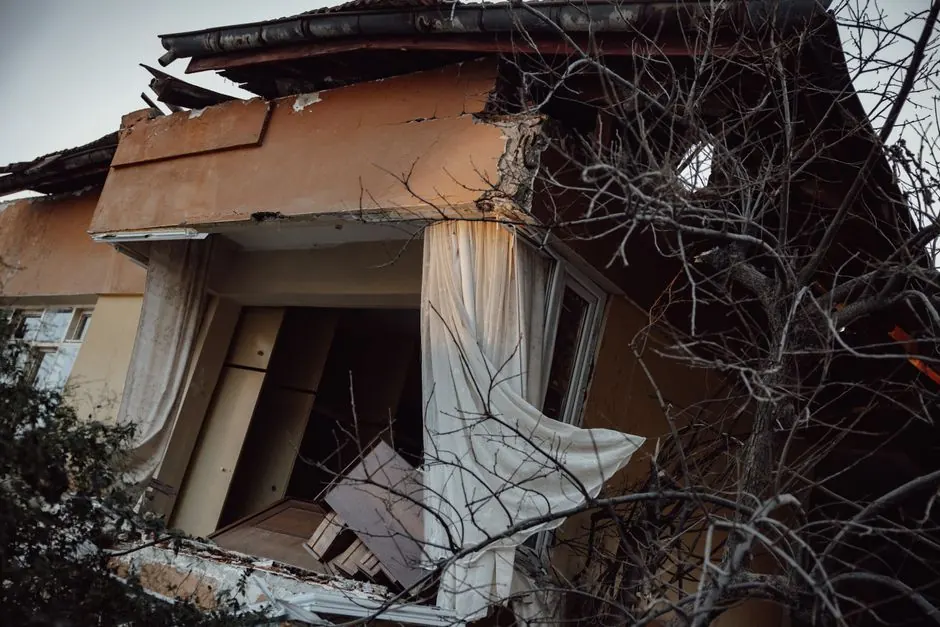
Storm damage typically involves an external cause — wind-driven rain finding its way through a compromised roof, a tree limb puncturing a roofline, or storm surge pushing water into ground-floor areas. The restoration process (extraction, drying, documentation) is similar to any other water damage job, but storm damage often comes with structural repairs — roofing, siding — that go beyond water mitigation alone.
When is Jacksonville most at risk for storm damage?
Hurricane season runs June through November, with the highest activity typically between August and October. That said, severe thunderstorms with damaging wind can cause storm damage outside of named storm events too, particularly during Florida's summer storm patterns.
What should I do immediately after storm damage to my home?
Once it's safe, photograph the damage before any cleanup or temporary repairs, including the source of water intrusion (damaged roofing, broken windows, etc.). Temporary measures like tarping a roof can prevent further water entry, but keep records of any temporary repairs for your insurance claim. Call for a full assessment as soon as conditions allow safe access to the property.
Does insurance cover storm damage?
Wind-driven rain damage is often covered under a standard homeowners policy, since wind damage is typically a covered peril. However, if storm surge or flooding is the actual cause of water entry rather than wind and rain, that portion may fall under flood insurance instead — the cause of the water intrusion determines which coverage applies, and a single storm event can sometimes involve both.
Coastal Storm Surge & Gale Response
From Nor'easters pushing tides up the St. Johns River into San Marco and Riverside, to tropical systems hammering Northside and Westside, emergency teams are equipped for immediate roof tarping, board-ups, and water extraction.
How does hurricane season and storm surge affect storm damage restoration in Jacksonville?
Hurricane season in Northeast Florida brings intense storm surges, tropical-force gales, and multi-day torrential downpours that drive water into building envelopes. Running from June 1 through November 30, the Atlantic hurricane season frequently produces tropical storms and hurricanes that push Atlantic storm surge into the mouth of the St. Johns River.
Because the river drops less than thirty feet over its entire length, surge waters pile up across low-lying neighborhoods such as San Marco, Riverside, and Downtown Jacksonville. Comprehensive storm damage restoration in Jacksonville requires combining external flood barriers and high-capacity submersible extraction with interior decontamination to mitigate brackish river water.
How do professionals handle wind-driven rain penetration through roofs and soffits?
Wind-driven rain forces moisture horizontally through architectural vulnerabilities that remain completely watertight during ordinary vertical rainfall. Tropical storm-force gusts exceeding 50 to 70 mph drive rain upward beneath asphalt shingles, through gable vents, under ridge caps, and around window flashing.
Once water enters unconditioned attic spaces, it saturates blown-in cellulose or fiberglass insulation, creating massive overhead weight that causes plaster and drywall ceilings to bow and collapse. Restoration technicians immediately perform moisture mapping using thermal infrared imagers to trace hidden migration paths down wall studs before extracting waterlogged attic insulation and installing drying systems.
Why is emergency roof tarping and window board-up critical before interior drying?
Emergency roof tarping and structural board-up are critical initial steps because drying equipment cannot function effectively while exterior rain continues to penetrate the property. If missing shingles, broken skylights, or shattered windows remain unsealed, outdoor atmospheric humidity continuously recharges moisture levels inside the structure.
Professional mitigation crews install heavy UV-resistant woven tarps secured with 2x4 furring strips across compromised roof planes and board up shattered openings. Securing the building envelope creates a closed drying chamber, allowing commercial dehumidifiers to establish the negative vapor pressure needed to pull moisture out of structural framing.
What structural risks arise when trees fall on Jacksonville residential properties?
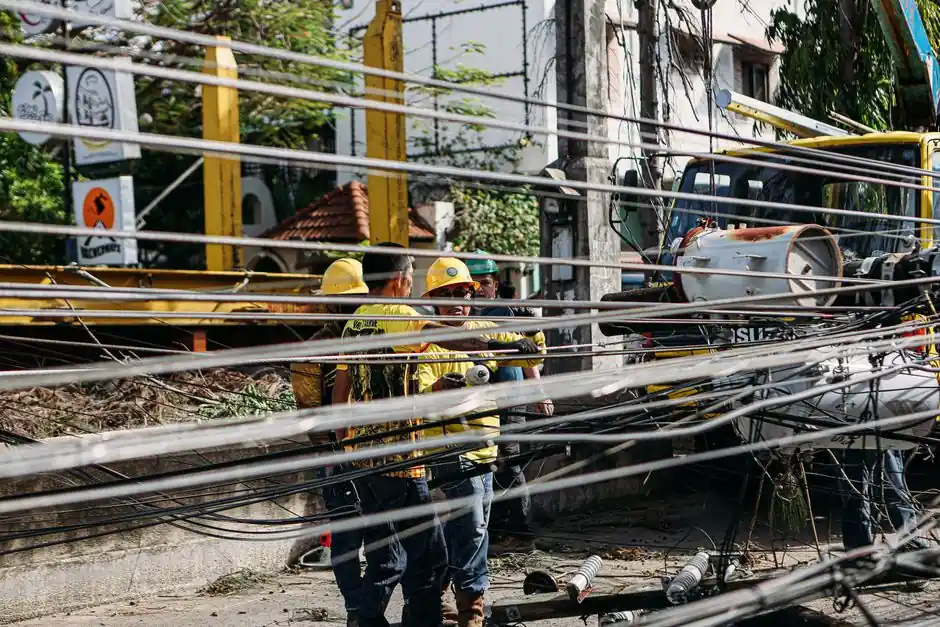
When mature live oaks, pines, or laurel oaks fall onto residential roofs during a storm, they compromise structural load-bearing trusses, crush ceiling joists, and rupture electrical and plumbing runs. Beyond the immediate physical puncture, falling trees allow thousands of gallons of rainwater to pour directly into living areas during subsequent squalls.
Restoration technicians coordinate with crane and tree removal contractors to safely lift tree debris without causing secondary structural collapse. Once the load is removed, temporary structural shoring is installed to stabilize sagging rafters, followed by immediate water extraction from saturated subfloors.
How do technicians prevent toxic mold blooms after a Florida tropical storm?
Preventing toxic mold blooms following a Florida tropical storm requires rapid structural drying within 24 to 48 hours and the application of EPA-registered antimicrobial washdowns. Jacksonville’s ambient summer humidity often exceeds 85%, and elevated indoor temperatures provide ideal conditions for mold spores to germinate on damp wallboard and floor joists.
Technicians deploy high-capacity commercial Low Grain Refrigerant (LGR) dehumidifiers and air scrubbers equipped with true HEPA filters. These units pull damp air through filtration media to capture airborne spores while exhausting hot, dry air that drives deep evaporation throughout wall cavities.
How does Water Damage Restoration Jacksonville connect you with local storm recovery experts?
Water Damage Restoration Jacksonville connects Jacksonville homeowners with licensed, insured local water damage restoration professionals equipped to manage complex storm recovery projects. After a severe weather event, prompt response and proper equipment deployment are essential to save your home from permanent decay.
Whether you reside in Southside, Westside, Avondale, or coastal communities, calling (904) 663-0696 connects you directly with vetted local contractors who provide emergency tarping, high-volume extraction, structural drying, and comprehensive insurance loss documentation.
Hurricane vs Tropical Storm vs Severe Thunderstorm: Typical Water Damage Patterns
Northeast Florida storm systems inflict distinct water intrusion vectors, requiring prioritized restoration responses depending on meteorological severity.
| Storm Event Type | Wind & Rainfall Severity | Primary Water Intrusion Vectors | Secondary Damage Vulnerabilities | Priority Restoration Response |
|---|---|---|---|---|
| Severe Thunderstorm / Squall | Short duration (30–90 min), torrential downpours (2–4 in/hr), gusts 45–60 mph. | Overflowing roof valleys, clogged box gutters, wind-driven rain past window weep holes and door thresholds. | Isolated attic wetting, hidden dampness in window headers, ceiling stains under attic ductwork. | Localized water extraction, roof patching/tarping, targeted attic moisture verification, spot dehumidification. |
| Tropical Storm / Nor'easter | Sustained 39–73 mph winds, 24–48 hours continuous rain, elevated river and tidal levels. | Shingle tear-offs, soffit and fascia penetration, water driving horizontally through gable vents and siding joints. | Ceiling collapses from saturated ceiling insulation, crawl space ponding under historic raised pier foundations. | Full roof shrink-wrapping/tarping, water removal from living areas, ceiling cavity venting, high-capacity structural drying. |
| Major Hurricane (Cat 1–5) | Sustained 74+ mph winds, multi-foot storm surge along St. Johns River and oceanfront, prolonged grid outages. | Major roof framing failure, tree limb penetrations, tidal water inundating ground floors and crawl spaces. | Category 3 black water contamination, widespread mold blooms within 24–48 hours in unconditioned buildings. | Generator-powered high-volume extraction, hazardous debris clearing, mandatory flood cuts, deep antimicrobial decontamination. |
Documenting storm entry points immediately with timestamped photography supports homeowner insurance claims under windstorm and flood coverage provisions.
Our 4-Step Storm Damage Response
Emergency Tarping
We secure your roof and openings to stop further water intrusion immediately.
Water Extraction
All storm-driven water is extracted from interiors, attics, and wall cavities.
Structural Drying
Industrial drying equipment restores framing, insulation, and drywall to dry standards.
Restoration
Damaged roofing, siding, drywall, and flooring are repaired or replaced.
Additional Frequently Asked Questions About Storm Damage Restoration
What should I do if my ceiling is sagging with water after a storm?
If a ceiling is sagging under pooled rainwater, stay out from underneath it, move furnishings away, and place large buckets below. If safely reachable, poke a small relief hole in the lowest point of the bulge using a screwdriver or broom handle to drain the water into a container, preventing an uncontrolled structural drywall collapse.
How soon should storm damage restoration begin after hurricane winds subside?
Restoration should begin as soon as local authorities declare it safe to travel. In Jacksonville's hot, humid climate, mold colonization can begin within 24 to 48 hours of water intrusion. Immediate tarping and water extraction substantially reduce overall structural damage and repair costs.
Will insurance cover temporary repairs like emergency tarping and board-up?
Yes, standard homeowners insurance policies typically cover reasonable and necessary emergency temporary repairs—including roof tarping and window board-up—under the policy's mitigation clause, which requires homeowners to protect property from further damage. Keep all receipts and documentation from your restoration provider.
How much does storm damage restoration in Jacksonville typically cost?
Costs vary widely depending on the scale of storm impact, ranging from $1,500 to $4,000 for localized roof leak extraction and drying, up to $8,000 or more for major multi-room water intrusion with ceiling replacements. Calling (904) 663-0696 connects you with local experts who provide on-site assessments and work directly with insurance adjusters.