
Sewage Cleanup & Backup Remediation — Jacksonville, FL
Direct answer: Sewage cleanup in Jacksonville requires emergency biohazard extraction, removal of porous contaminated materials, and hospital-grade antimicrobial disinfection. Because sewage contains Category 3 black water carrying dangerous viruses and bacteria, homeowners should avoid contact, turn off the water main, and connect with licensed restoration professionals immediately at (904) 663-0696 to prevent structural rot and airborne contamination.
Sewage backup is treated differently from clean-water damage because of the direct health risk involved. This isn't a job for DIY cleanup under any circumstances — contaminated water requires specific handling, disposal, and disinfection protocols.
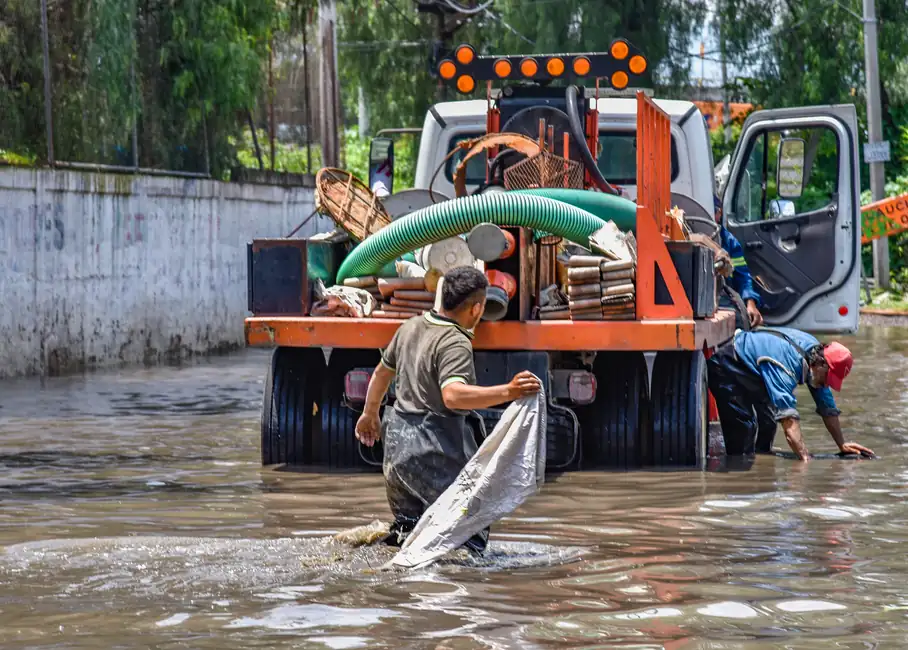
What causes sewage backups in Jacksonville homes?
Tree root intrusion into older sewer lines (common in neighborhoods like Springfield and Downtown with mature tree canopies), municipal system overload during heavy rain events, clogged or collapsed lateral lines, and — during major storm events — floodwater backing up through a home's plumbing when the municipal system is overwhelmed.
Why is sewage water considered more dangerous than other water damage?
Restoration professionals classify water damage into three categories. Clean water comes from a sanitary source (a supply line). Grey water has some contamination (a washing machine overflow). Black water — which includes sewage — contains bacteria, viruses, and other pathogens that pose a direct health risk on contact. Any surface or material touched by black water needs to be disinfected or, in the case of porous materials like carpet padding or drywall, removed entirely rather than just dried.
What should I do immediately if I have a sewage backup?
Keep people and pets out of the affected area. Don't attempt to clean it yourself. Avoid flushing toilets or running water elsewhere in the home until the source is identified, since this can make the backup worse. Turn off HVAC systems if the affected area is near ductwork, to avoid spreading contaminated air through the house. Call for professional cleanup as soon as possible — the longer contaminated water sits, the more materials become unsalvageable.
What does professional sewage cleanup involve?
- Containment To prevent cross-contamination to unaffected areas of the home or business.
- Extraction Of contaminated water using heavy-duty equipment dedicated strictly to black-water jobs.
- Removal of unsalvageable materials Porous materials that absorbed sewage typically can't be safely cleaned and are removed rather than dried.
- Disinfection Hospital-grade antimicrobial sanitization across all affected structural surfaces and subfloors.
- Deodorization and air quality treatment Industrial HEPA air scrubbers and thermal fogging eliminate bio-contaminants and persistent odors.
- Drying and moisture verification Comprehensive moisture readings confirm the structure is fully dry before rebuild begins.
Does homeowners insurance cover sewage backup?
Often not by default. Sewage backup typically requires a separate endorsement or rider on a standard homeowners policy — it's one of the more commonly misunderstood coverage gaps. If you're unsure whether you have this coverage, it's worth checking with your insurance agent before you need it, not after.
Biohazard Protocol Warning
Never attempt to vacuum sewage with domestic vacuum units or shop vacs, which aerosolize pathogens into your living area. trained technicians follow industry-standard S500 standards with full personal protective equipment.
How does raw sewage cleanup near me differ from standard water extraction?
Raw sewage cleanup requires specialized biohazard containment, personal protective gear, and pathogen eradication rather than simple moisture removal. When raw sewage overflows into a property, it introduces Category 3 black water contaminated with harmful microorganisms, including Escherichia coli, Salmonella, hepatitis A, and parasitic cysts. Unlike clean water from supply plumbing, raw sewage contaminates building assemblies on contact.
Standard wet vacuums or residential shop equipment cannot safely handle black water because their exhaust ports aerosolize hazardous microbes directly into the breathable indoor air. Licensed restoration professionals deploy dedicated black-water submersible pumps, negative air machines fitted with true HEPA filtration, and industrial antimicrobials. Porous building assemblies such as carpet cushions, wall-to-wall carpeting, drywall, and fiberglass insulation absorb contaminated wastewater immediately. Under Jacksonville municipal and biohazard guidelines, these porous elements cannot be sanitized and must be safely excised, bagged in heavy containment liners, and disposed of according to regional waste protocols.
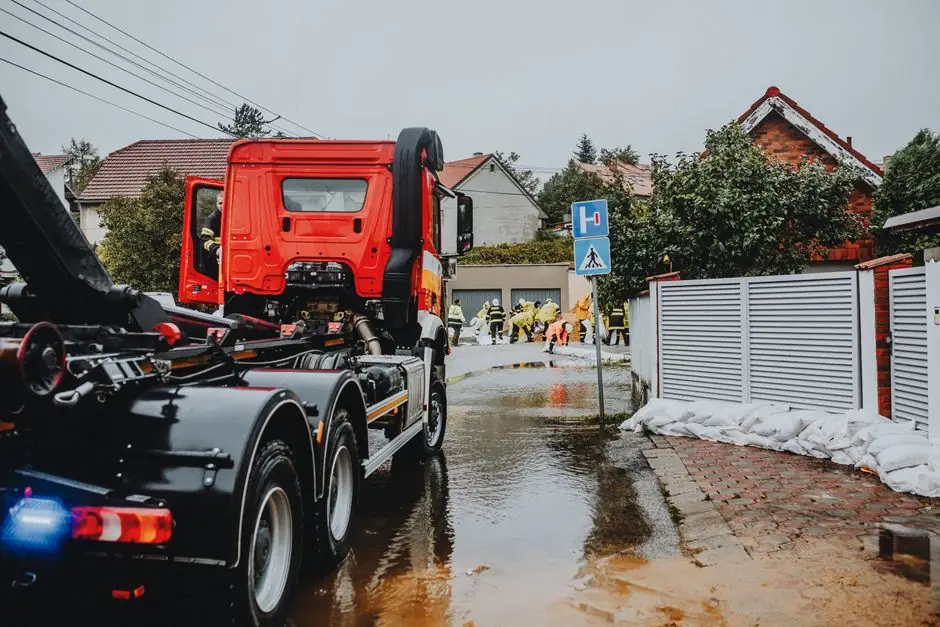
What sewage cleanup protocols protect Jacksonville homes from Category 3 black water?
Professional sewage cleanup protocols in Jacksonville follow structured biohazard containment steps to isolate contamination and protect non-impacted living areas. The remediation begins by establishing physical plastic containment barriers with zipper entryways and maintaining negative air pressure to prevent foul odors and microscopic pathogens from migrating into bedrooms, living rooms, or kitchens.
Technicians systematically extract standing wastewater using high-capacity vacuum pumps before safely stripping out waterlogged, non-salvageable materials. Once non-restorable materials are cleared, all structural surfaces—including concrete slabs, subflooring, and wall studs—undergo multiple stages of decontamination using EPA-registered broad-spectrum disinfectants and antimicrobial wash solutions. Deep moisture mapping with non-invasive thermal sensors and pin-type meters ensures wastewater migration behind wall cavities or under flooring is completely documented and treated, safeguarding properties across Riverside, San Marco, and surrounding communities.
Why do municipal sewer backups and private drain lines fail during Jacksonville storms?
Municipal sewer backups and private drain line failures in Jacksonville frequently coincide with tropical storms, torrential summer thunderstorms, and high water tables along the St. Johns River. When heavy rainfall overwhelms the municipal stormwater and sewer infrastructure, excessive volume causes sewer mains to surcharge, forcing raw sewage backward through residential lateral pipes, floor drains, and lowest-level toilets.
In historic Jacksonville neighborhoods such as Riverside, San Marco, and Downtown Jacksonville, mature oak tree roots often infiltrate aging clay or cast-iron sewer laterals, creating hairline fractures that catch solid waste until heavy rains trigger a total blockage. Installing backwater prevention valves can help mitigate this risk, but when overflow occurs, immediate sewage cleanup is vital to prevent wastewater from seeping into foundation slabs.
What should homeowners never touch during a sewage backup emergency?
During a sewage backup emergency, homeowners should never touch standing wastewater, saturated furniture, electrical equipment, or porous building materials. Black water contains toxic biological agents that can cause skin infections, gastrointestinal illness, and respiratory complications through skin contact or accidental ingestion of airborne aerosols.
Never attempt to use a standard shop vacuum to extract sewage, as the exhaust vent disperses concentrated bacteria throughout your indoor environment. Homeowners must avoid walking through the spill, which tracks dangerous pathogens into unaffected rooms, and should never enter flooded areas where electrical outlets or extension cords are submerged. Instead, turn off electrical power at the main breaker box if it is safely accessible outside the flood zone, keep children and pets away, and leave the biohazard extraction to equipped specialists.
How does professional sewage remediation in Jacksonville FL prevent long-term mold and odor?
Professional sewage remediation in Jacksonville FL eliminates foul biohazard odors and secondary mold colonization by combining sanitary extraction with industrial drying and specialized odor neutralization. Jacksonville's humid subtropical climate accelerates microbial growth, allowing mold spores to flourish within 24 to 48 hours in damp, organic material left behind after a sewer overflow.
Professional remediation includes thorough washing and sanitizing of all framing lumber, application of antimicrobial sealants, and deployment of commercial desiccant or refrigerant dehumidifiers and high-velocity air movers. To eradicate persistent sewage odors rather than merely masking them, technicians utilize hydroxyl generators or thermal fogging technology to neutralize volatile organic compounds (VOCs) at the molecular level, ensuring your property is clean, dry, and safe.
How does Water Damage Restoration Jacksonville connect you with local sewage cleanup specialists?
Water Damage Restoration Jacksonville connects Jacksonville homeowners with licensed, insured local water damage restoration professionals throughout the region. Dealing with a raw sewage emergency is stressful and hazardous, requiring rapid mobilization of biohazard extraction gear and commercial drying equipment.
Whether your home is located in Southside, Avondale, Westside, or coastal Duval County, calling (904) 663-0696 connects you immediately with experienced local contractors ready to inspect the damage, extract black water, sanitize your living space, and provide detailed documentation for your insurance provider.
Black Water vs Gray Water vs Clean Water: Contamination Level and Cleanup Approach
Understanding the industry-standard contamination category helps Jacksonville property owners assess health hazards and safety protocols before professional restoration specialists arrive.
| Water Category | Contamination Level | Common Sources in Homes | Health Hazard & Safety | Required Cleanup Approach |
|---|---|---|---|---|
| Category 1: Clean Water | Uncontaminated at initial release; free from biological or chemical pathogens. | Broken supply lines, overflowing clean sinks or bathtubs, rainwater through roof leaks. | Low initial risk; standard protective gloves and eye protection recommended. | Rapid water extraction, structural airflow, and dehumidification; porous materials salvageable if dried promptly. |
| Category 2: Gray Water | Significant chemical or biological contamination; may cause illness if ingested or contacted. | Washing machine overflows, dishwasher discharge, sump pump overflows, aquarium leaks. | Moderate health risk; protective gloves, goggles, and respiratory protection if vaporized. | Extraction, antimicrobial disinfection, removal of saturated carpet padding, controlled structural drying. |
| Category 3: Black Water | Grossly contaminated; contains pathogenic bacteria, viruses, fungi, parasites, and toxins. | Sewage backups, toilet overflows containing feces, St. Johns River flooding, storm surge runoff. | Severe biological hazard; full PPE required (respirator, Tyvek suit, heavy gloves, rubber boots). | Physical containment, extraction, mandatory removal and disposal of porous materials, biocidal wash, HEPA filtration. |
Note: Clean water (Category 1) left standing in humid Florida temperatures can degrade into Gray Water (Category 2) or Black Water (Category 3) within 24 to 48 hours as bacterial counts multiply.
Our 4-Step Sewage Cleanup Process
Containment
Affected areas are sealed off to prevent cross-contamination to clean parts of your home.
Extraction & Removal
Sewage water is extracted; all contaminated porous materials are safely removed.
Disinfection
Hospital-grade antimicrobial agents disinfect all remaining surfaces thoroughly.
Drying & Verification
Structural drying completes the job, with clearance testing confirming safety.
Additional Frequently Asked Questions About Sewage Cleanup
How quickly must sewage cleanup begin after a residential backup in Jacksonville?
Sewage cleanup should begin immediately, ideally within hours of the overflow occurring. In Northeast Florida's warm, humid climate, bacteria, mold, and airborne pathogens multiply rapidly, transforming wet materials into dangerous biohazards and causing irreversible damage to subflooring and drywall.
How much does professional sewage cleanup cost in Jacksonville, FL?
Sewage cleanup costs in Jacksonville depend on the volume of contaminated water, square footage affected, and whether structural teardown of drywall or flooring is required. Typical biohazard sewage remediation ranges from $1,500 to $5,000 or more for severe structural backups. Calling (904) 663-0696 connects you with local professionals who evaluate your property and assist with insurance documentation.
Can carpets or furniture contaminated with raw sewage be saved?
Porous items such as carpet padding, carpets, upholstered couches, and drywall saturated with raw sewage generally cannot be safely sanitized and must be removed and discarded under biohazard protocols. Non-porous surfaces like glazed tile, ceramic, and concrete can typically be saved through thorough scrubbing, disinfection, and antimicrobial treatment.
What is the difference between city sewer backup and a private plumbing clog?
A municipal sewer backup occurs when the city main fills past capacity during heavy rain or blockages, pushing wastewater backward into multiple homes along the street. A private plumbing clog or septic overflow stems from line collapses, pipe scale, or tree root intrusion within your own property's boundary. Professional restoration technicians identify the entry point and contain the damage.