
Mold Remediation — Jacksonville, FL
Direct answer: Mold remediation in Jacksonville involves isolating contaminated zones with negative-pressure containment barriers, running HEPA air scrubbers, removing mold-damaged porous materials, and applying antimicrobial fungicides to structural framing. Professional intervention halts active spore dispersal and resolves underlying moisture sources. Call (904) 663-0696 to connect with licensed local restoration professionals.
Mold remediation is a different process than water extraction, because by the time mold is visible, it has already spread beyond what you can see. In Jacksonville's humidity, that spread happens faster than in drier climates.
How do I know if I have a mold problem?
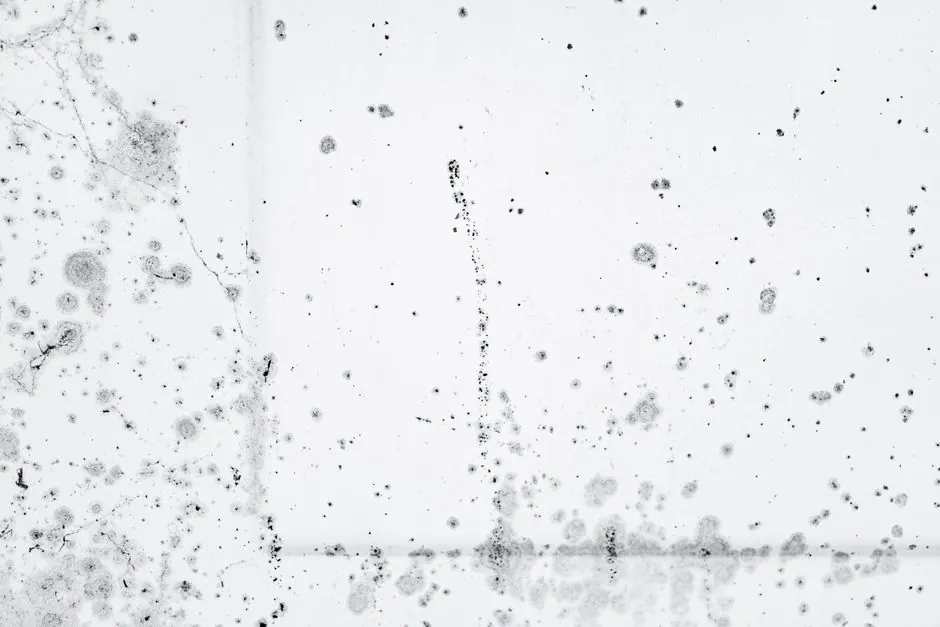
Common signs: a persistent musty odor, visible discoloration on walls, ceilings, or grout (black, green, or white patches), warped or bubbling drywall, or a recent history of water damage that wasn't fully dried within 48 hours. If any of these apply, especially after a leak or flood event, it's worth an inspection even without visible growth — mold often develops inside wall cavities before it reaches the surface.
Is mold in my house dangerous to my health?
Mold exposure is linked to coughing, wheezing, throat and eye irritation, nasal congestion, and worsened asthma or allergy symptoms. Children, older adults, and anyone with existing respiratory conditions are at higher risk. The severity depends on the mold type, how much is present, and how long exposure continues — which is exactly why remediation, not just cleaning, matters once mold has taken hold.
What's the difference between cleaning mold and remediating it?
Wiping visible mold off a hard surface removes what you can see but does nothing about spores already released into the air or mold growing inside a wall cavity, under flooring, or in insulation. Remediation involves containment (sealing off the affected area so spores don't spread to the rest of the home), physical removal of contaminated material, HEPA air filtration, and a post-remediation moisture check to confirm the underlying cause has actually been resolved.
How long does mold remediation take?
Small, contained areas (a single bathroom or closet) typically take 1 to 3 days. Larger infestations — especially those involving HVAC systems or multiple rooms — can take a week or more. The timeline depends on how far the mold has spread, which is often more extensive than what's visible before containment begins.
Will insurance cover mold remediation?
It depends on the cause. Mold resulting from a sudden covered event (like a burst pipe) is often covered as part of that claim if remediation starts promptly. Mold from long-term, unaddressed moisture or humidity is typically excluded, since insurers generally treat that as a maintenance issue rather than a sudden loss.
Active Moisture Control Across Duval County
Whether you are in Riverside, San Marco, Southside, or the Westside, stopping mold requires certified containment and moisture resolution. Don't let invisible spores degrade your indoor air quality.
Why is the 24 to 48 hour window critical for mold growth in Jacksonville?
The 24 to 48 hour post-water loss window is critical in Jacksonville because elevated subtropical temperatures and ambient humidity create ideal incubation conditions for mold spores. In Northeast Florida, indoor relative humidity quickly climbs above 70% following an untreated water intrusion or roof leak.
Common indoor mold species—including Cladosporium, Penicillium, Aspergillus, and Stachybotrys chartarum—only require moisture, warmth, and organic cellulose (the paper backing on sheetrock or wood wall studs) to germinate. If structural drying is not completed within two days, microscopic hyphae penetrate deeply into porous drywall and subflooring, transforming a simple water extraction call into an extensive biohazard mold remediation project.
How do containment barriers and negative air machines isolate fungal spores?
Containment barriers and negative air machines isolate fungal spores by preventing microscopic particulates from escaping the remediation zone into clean living areas. Technicians erect airtight barriers using 6-mil polyethylene sheeting, tension poles, and zip-wall entry airlocks across hallways and doorways.
They then seal off supply and return HVAC vents to keep spores from entering central ductwork. Commercial negative air machines equipped with medical-grade HEPA filters pull air from inside the containment zone and vent clean, filtered air outside the home. This creates a negative pressure differential, ensuring that whenever a technician enters the sealed area, air rushes inward rather than blowing spores out into the home.
What is the difference between porous, semi-porous, and non-porous materials in mold cleanup?
Materials are categorized by their porosity, which dictates whether mold-contaminated items can be sanitized or must be discarded under state guidelines. Porous materials—such as fiberglass insulation, carpet padding, acoustic ceiling tiles, and gypsum drywall—absorb moisture and allow fungal roots to weave through their internal fibers.
Once colonized by mold, porous items cannot be completely cleaned and must be cut out, bagged in heavy containment liners, and discarded. Semi-porous materials like framing lumber and concrete can often be saved through HEPA wire-brush sanding, dry-ice blasting, and antimicrobial sealer application. Non-porous surfaces such as ceramic tile, glass, and metal fixtures can be thoroughly sanitized with hospital-grade antimicrobial detergents.
Why should homeowners never use bleach to treat mold on drywall and wood framing?
Homeowners should never use chlorine bleach on porous surfaces like drywall and wood framing because bleach cannot penetrate porous substrates and actually feeds fungal roots over time. Household bleach consists primarily of water and a surface chemical agent.
When sprayed on wood or drywall, the chlorine molecule remains on the exterior surface while water penetrates deep into the pores, delivering fresh moisture directly to the mold roots (mycelium). While bleach temporarily discolors surface growth making it appear clean, the underlying root structure survives and rapidly rebounds. Professional remediators use specialized EPA-registered biocides and deep penetrating fungicides that neutralize root structures at the cellular level.
How do technicians clean HVAC ductwork and improve indoor air quality after mold?
Cleaning HVAC ductwork and restoring indoor air quality after mold contamination involves negative-pressure vacuum sweeping, HEPA filtration, and antimicrobial fogging. If mold spores enter the central air handler, the blower circulates millions of invisible allergens into every bedroom and living space each time the system cycles on.
Remediation technicians attach high-volume negative air vacuums to duct trunks, use rotating agitation brushes to dislodge dust and mold colonies from duct walls, and clean the evaporator coil and drain pan. Running continuous commercial HEPA air scrubbers for 48 to 72 hours following remediation scrubs ambient air of 99.97% of particulates down to 0.3 microns, restoring clean indoor air.
How does Water Damage Restoration Jacksonville connect you with local mold remediation pros?
Water Damage Restoration Jacksonville connects Jacksonville homeowners with licensed, insured local water damage restoration professionals across Duval County. Remediating a mold problem requires rigorous containment protocols, commercial HEPA air filtration equipment, and safe disposal procedures.
Whether you live in Riverside, San Marco, Southside, Avondale, or Westside, calling (904) 663-0696 connects you immediately with experienced local contractors who inspect the source of moisture, contain the spread, remove damaged materials, and verify your home is clean and safe.
Mold Inspection vs Testing vs Full Remediation: When Each Is Needed
Understanding the distinct scope of visual inspections, laboratory sampling, and physical remediation ensures appropriate corrective action for Jacksonville properties.
| Procedure Phase | Core Objective | When Required in Jacksonville | Methods & Diagnostic Tools | Expected Outcome & Deliverable |
|---|---|---|---|---|
| Visual & Moisture Inspection | Locate active water sources, identify damp building assemblies, and map affected boundaries. | After any plumbing leak or roof breach, when persistent musty odors arise, or during real estate due diligence. | Thermal imaging cameras, penetrating pin meters, non-destructive surface scanners, optical borescopes. | Moisture inspection report pinpointing moisture boundaries and recommending targeted remediation scope. |
| Air & Surface Mold Testing | Quantify indoor airborne spore counts and identify specific fungal genera compared to outdoor controls. | When occupants experience unexplained respiratory symptoms, when hidden wall-void mold is suspected, or for post-remediation clearance. | Spore-trap air cassettes, bio-pump air collectors, tape lifts, surface swabs, accredited independent lab analysis. | Third-party laboratory analysis report detailing spore concentrations per cubic meter and fungal species identification. |
| Full Mold Remediation | Safely isolate, physically remove colonized materials, clean structural framing, and restore normal fungal ecology. | Whenever visible mold growth exceeds 10 sq ft, after black water intrusion, or upon verified elevated indoor airborne spore counts. | Polyethylene containment zones, negative air machines with HEPA filtration, HEPA vacuuming, antimicrobial scrubbing, framing encapsulation. | Removal of contaminated building materials, sanitized timber framing, and clearance verification under industry-standard S520 guidelines. |
Under Florida mold licensing standards, post-remediation clearance testing should ideally be performed by an independent assessor to avoid conflict of interest.
Our 4-Step Mold Remediation Process
Inspection & Testing
Moisture meters and visual inspection locate all mold growth, including hidden colonies.
Containment
Physical barriers and negative air pressure prevent spores from spreading during removal.
Removal & Cleaning
Contaminated materials are removed; remaining surfaces get HEPA vacuuming and antimicrobial treatment.
Prevention
Moisture source is addressed, dehumidification restores dry conditions, and clearance verification confirms success.
Additional Frequently Asked Questions About Mold Remediation
What does professional mold testing and air sampling involve?
Professional mold testing involves collecting ambient indoor air samples inside the affected room, comparative outdoor baseline samples, and physical surface tape-lift or swab samples. These samples are analyzed by an independent laboratory to identify specific mold species and spore concentration counts.
Can I stay in my Jacksonville home during the mold remediation process?
For small, localized mold remediation in an isolated room like a sealed bathroom, residents can generally remain in the home. For extensive whole-house remediation, attic infestations, or projects involving central HVAC contamination, temporary relocation may be recommended while negative air machines operate.
How do technicians confirm that mold is completely gone after remediation?
Following physical removal and antimicrobial sanitization, a post-remediation clearance inspection is conducted. This includes visual inspection for zero visible residue or dust, deep moisture meter verification to confirm the structure is dry, and independent post-clearance air sampling to ensure indoor spore levels are lower than outdoor baselines.
What is the typical cost of professional mold remediation in Jacksonville, FL?
Mold remediation costs in Jacksonville typically range from $1,500 to $4,500 for localized remediation in bathrooms or wall cavities, and up to $6,000 or more for major crawl space or whole-structure infestations requiring extensive drywall replacement. Calling (904) 663-0696 connects you with local experts who provide evaluations and guide insurance documentation.