
Burst Pipe Cleanup — Jacksonville, FL
Direct answer: Burst pipe cleanup in Jacksonville requires immediately shutting off the primary water main, performing rapid high-volume water extraction, and deploying industrial dehumidifiers to dry wall cavities and flooring. Prompt restoration prevents catastrophic subfloor rot and mold growth in Northeast Florida’s humid climate. Homeowners should call (904) 663-0696 for licensed, insured professional assistance.
A burst pipe is one of the most common reasons we get called out in Jacksonville — and one of the most misunderstood, since most homeowners have never had to deal with one before it happens to them.
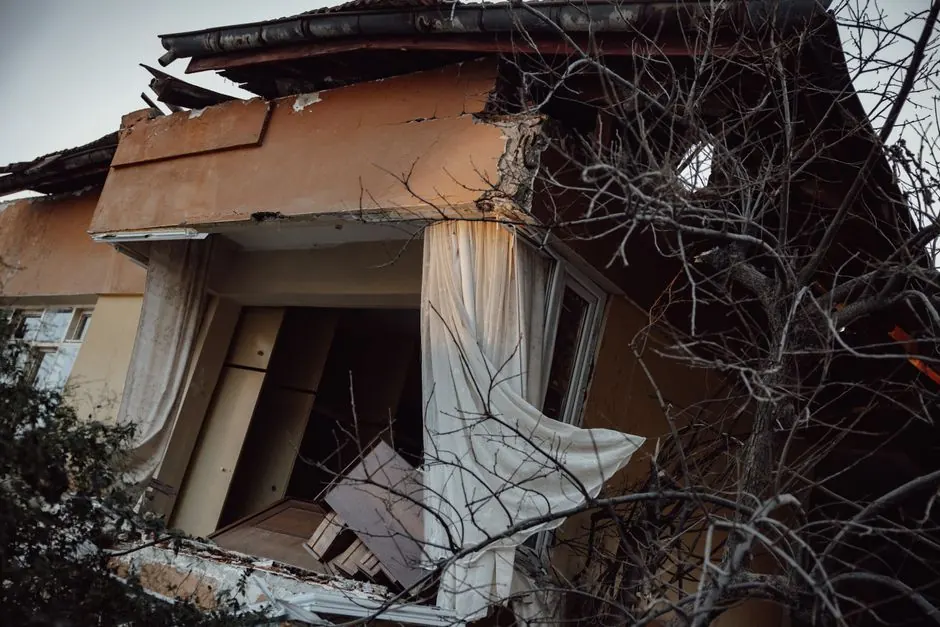
Why do pipes burst in Jacksonville homes?
Unlike colder climates where freeze-related bursts dominate, Jacksonville's pipe failures are mostly about age and pressure. Older copper and galvanized piping — common in Springfield and Downtown homes built before modern plumbing codes — corrodes from the inside over decades until it gives way. Sudden pressure spikes from municipal water systems, tree root intrusion on outdoor lines, and simple wear on fittings and joints account for most of the rest. Florida does see occasional hard freezes, which can also cause bursts in exposed piping.
What should I do the moment I discover a burst pipe?
- 1. Shut off the water at the main valve if you can locate it — this stops the problem from getting worse while help is on the way
- 2. Cut power to any outlets or fixtures in the affected area if water is anywhere near them
- 3. Move valuables and furniture out of the path of the water if it's safe to do so
- 4. Call for extraction — don't wait to see if it "dries on its own"
How is a burst pipe different from a slow leak?
A burst pipe releases water fast and all at once, which usually means visible, urgent damage — but it also means the source is obvious and can be fixed quickly. A slow leak behind a wall can go undetected for weeks or months, causing less dramatic but often more extensive hidden damage by the time it's discovered. Both need the same core response: stop the water, extract what's there, and dry the structure before mold sets in.
Does insurance cover burst pipe damage?
Generally yes — a pipe that bursts suddenly and without warning is the textbook example of a covered event under a standard homeowner's policy, since it meets the "sudden and accidental" standard insurers look for. This is different from a pipe that's been slowly leaking for months, which insurers may treat as a maintenance issue. Documenting the pipe failure and the timeline is part of what we handle on every call.
Note: we handle water extraction, drying, and damage restoration. Actual pipe repair is typically done by a licensed plumber — we can help coordinate this as part of the overall response.
Serving Historic & High-Pressure Areas Across Duval County
From historic homes with aging plumbing in Riverside and San Marco to growing neighborhoods in Westside, emergency burst pipe response is available 24/7.
Where is your home's main water shutoff valve located in Jacksonville?
In Jacksonville residential properties, the main water shutoff valve is typically located outdoors near the water meter box along the front street curb or on an exterior wall near the outdoor hose bibb. In homes built on slab foundations, the interior shutoff valve is commonly found in the garage, utility laundry room, or adjacent to the hot water heater.
In historic homes with raised crawl spaces—such as those in Riverside or Avondale—the shutoff valve may be positioned along the exterior foundation perimeter where municipal supply lines enter the crawl space. Knowing the exact location of your shutoff and keeping a meter key accessible can save thousands of gallons of water during an emergency pipe rupture.
Why do copper, CPVC, and PEX pipes fail in Northeast Florida?
Plumbing lines in Northeast Florida fail due to mineral-heavy water chemistry, corrosive soil conditions, extreme attic heat, and aging joint adhesives. In homes constructed between the 1960s and 1990s, copper water lines frequently suffer from pinhole leaks caused by interior pitting corrosion and localized chloramine reactions.
Newer developments throughout Duval County frequently utilize CPVC or cross-linked polyethylene (PEX) piping. While resistant to corrosion, older CPVC lines become brittle after years of exposure to unconditioned attic temperatures that routinely exceed 130°F during Florida summers, causing fittings to crack abruptly under municipal line pressure. PEX installations may experience fitting failures if exposed to UV radiation during original construction or unmitigated pressure surges.
What makes slab leak pipe bursts particularly hazardous for Jacksonville foundations?
A burst pipe beneath a concrete foundation slab is particularly hazardous because pressurized water erodes structural sub-base soils and saturates concrete from below before surface puddles appear. When a pressurized water line ruptures within or beneath a monolithic slab, moisture migrates upward through capillary action, warping hardwood flooring, soaking carpet padding, and elevating relative humidity throughout the entire home.
Undetected slab leaks can compromise soil compaction, creating voids beneath the slab that lead to foundation cracking and uneven settling. Professional restoration technicians use acoustic listening equipment and thermal imaging to locate underground pipe breaks without needlessly jackhammering undamaged floor sections, allowing targeted repair and rapid extraction.
How should homeowners handle multi-story water damage from an upstairs pipe break?
Multi-story water damage from an upstairs pipe burst requires immediate gravity containment, ceiling cavity drainage, and vertical drying protocols. When an upper-level bathroom supply line or laundry hose ruptures, gravity pulls hundreds of gallons downward through subflooring, ceiling drywall, and wall studs into the lower floor.
Sagging ceilings holding trapped water present a serious collapse hazard; technicians carefully perform controlled relief punctures to drain pooled water into collection bins. Drying multi-story homes requires industrial desiccant dehumidifiers and specialized air injector systems that pump warm, dry air into joist spaces and vertical chases to prevent hidden fungal colonization behind lower-level walls.
How do professionals dry structural drywall, framing, and flooring after a pipe rupture?
Professional drying after a pipe rupture combines high-velocity centrifugal air movers, commercial Low Grain Refrigerant (LGR) dehumidifiers, and precise moisture mapping. Technicians deploy non-penetrating moisture meters and thermal cameras to identify the exact boundary of moisture migration inside wall cavities and subflooring.
By creating targeted vortex airflow across saturated surfaces, moisture is drawn out of dense building materials into the surrounding air, where commercial dehumidifiers condense and pump it away. Daily moisture logs track grains per pound (GPP) and relative humidity until moisture levels in wood studs and subfloors return to equilibrium moisture standards, ensuring safe reconstruction.
How does Water Damage Restoration Jacksonville connect you with burst pipe restoration pros?
Water Damage Restoration Jacksonville connects Jacksonville homeowners with licensed, insured local water damage restoration professionals throughout Duval County. When a plumbing line bursts and water floods living spaces, rapid extraction and moisture mitigation are critical to prevent structural rot.
Whether your home is located in Southside, San Marco, Downtown Jacksonville, or Westside, calling (904) 663-0696 connects you immediately with experienced local contractors ready to inspect the damage, extract water, sanitize your living space, and provide detailed documentation for your insurance provider.
Burst Pipe vs Slow Leak: Damage Timeline Comparison
Understanding how damage progresses over time differentiates sudden pipe catastrophic failures from gradual plumbing leaks under Florida insurance guidelines.
| Timeline Stage | Sudden High-Pressure Pipe Burst | Hidden Slow Plumbing Leak | Structural Threat Level | Insurance Coverage Considerations |
|---|---|---|---|---|
| Hours 0 to 4 | Hundreds of gallons pour into living spaces; water flows across floors, cascades through ceilings, pools along baseboards. | Continuous drops accumulate within wall cavities, under sink vanities, or beneath concrete foundation slabs. | Immediate electrical shock hazards, ceiling drywall collapse risk, saturated carpets and furniture. | Sudden burst qualifies as a "sudden and accidental" event, the standard trigger for homeowners insurance coverage. |
| Hours 24 to 48 | Water wicks up drywall (capillary action), swells MDF trim and door casings, and saturates subflooring and framing. | Drywall backing paper becomes fully saturated; subtle bubbling, baseboard staining, or faint musty odor appears. | Drying window narrows; warm Florida temperatures activate dormant fungal spores on wet cellulose surfaces. | Insurers verify whether the homeowner took immediate emergency steps to mitigate losses and shut off the water supply. |
| Day 3 to Day 7+ | Unaddressed water fosters visible mold colonization; wood subfloors warp and delaminate; structural studs soften. | Extensive hidden black mold growth inside wall cavities; timber framing rot; subfloor degradation; possible slab erosion. | Permanent structural decay, deteriorated insulation, and compromised indoor air quality requiring containment. | Slow leaks face potential coverage challenges if insurance adjusters classify damage as "wear and tear" or long-term seepage over 14 days. |
Promptly shutting off your main water valve and documenting the leak origin with photos and video preserves critical evidence for homeowner insurance claims.
Our 4-Step Burst Pipe Response Process
Stop the Water
Shut off your main valve and call (904) 663-0696. We guide you by phone while help is dispatched.
Extract Standing Water
Industrial pumps and vacuums remove all standing water from floors, carpets, and cavities.
Dry the Structure
Air movers and dehumidifiers dry framing, drywall, and subfloors to verified moisture targets.
Restore and Verify
Damaged materials are replaced, antimicrobial treatment applied, and moisture readings confirmed normal.
Additional Frequently Asked Questions About Burst Pipe Cleanup
How much water can a burst pipe release into a Jacksonville home?
A standard residential supply line under 50 to 70 PSI of municipal pressure can release 4 to 12 gallons of water per minute, resulting in over 400 to 700 gallons per hour. This rapid discharge can flood multiple rooms and penetrate subfloors within minutes if the main valve is not shut off immediately.
Does homeowners insurance cover water extraction after an attic pipe break?
Yes, standard homeowners insurance policies typically cover water extraction, structural drying, and drywall repair resulting from a sudden, accidental pipe rupture in an attic or wall cavity. Calling (904) 663-0696 connects you with professionals who document moisture levels and structural drying curves to support your insurance claim.
Can wet hardwood floors be saved after a pipe burst?
In many cases, hardwood floors can be salvaged if professional water extraction and specialized floor-mat vacuum drying systems are deployed before the wood permanently buckles or cups. Swift dehumidification draws deep moisture out of hardwood planks and subflooring before structural wood fibers deform permanently.
What is the average cost of burst pipe water damage cleanup in Jacksonville?
The cost of burst pipe cleanup in Jacksonville typically ranges from $1,200 to $4,500, depending on the volume of water released, whether water migrated across multiple stories, and the extent of required structural drying. Severe incidents involving extensive drywall removal or flooring restoration may cost more.