
Water Damage Restoration — Jacksonville Beach, FL
Direct answer: Water damage restoration in Jacksonville Beach, FL, provides 24/7 emergency water extraction, coastal storm surge recovery, and structural drying for oceanfront homes and condominiums. Because barrier island humidity and salt spray accelerate mold and corrosion, licensed local professionals rapidly deploy desiccant dehumidifiers and antimicrobial agents to protect building structures and interior living spaces.
Jacksonville Beach combines year-round residents with a large volume of vacation rentals and seasonal properties — which changes not just the cause of water damage calls here, but how quickly they tend to get discovered.
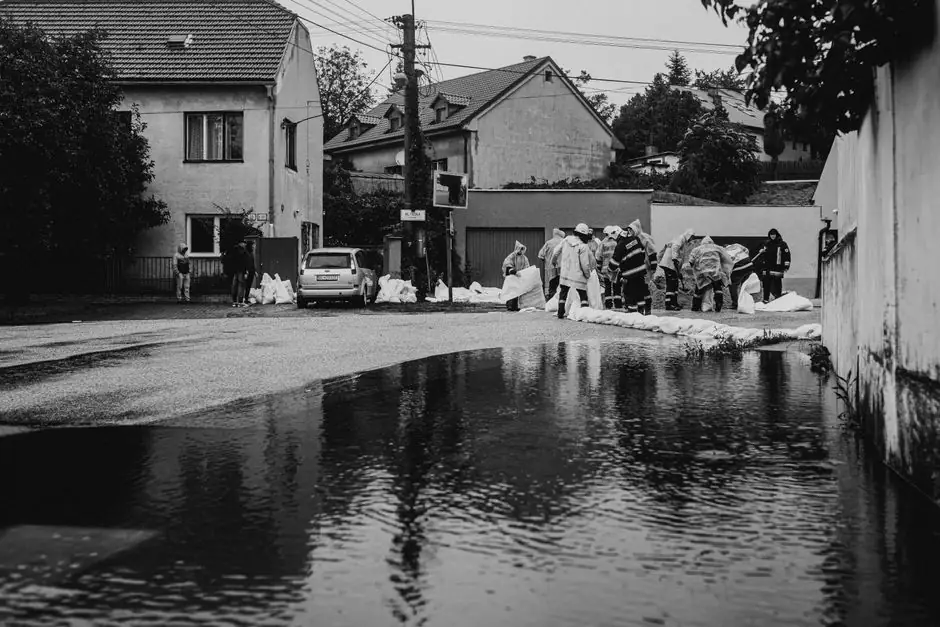
What makes Jacksonville Beach's water damage risk unique?
Like Atlantic Beach, oceanfront and near-ocean properties face storm surge exposure during hurricane season, and salt air accelerates wear on plumbing and roofing over time. The added factor here is vacation rental turnover — a leak in a property between guests can go unnoticed far longer than in an owner-occupied home, since no one is present daily to catch an early warning sign like a musty smell or a small stain.
Should vacation rental owners in Jacksonville Beach take extra precautions?
Yes — water leak detection devices (inexpensive sensors that alert owners to moisture) are worth considering specifically because rental properties often sit unoccupied for stretches of time. A slow leak that would be caught within a day in an owner-occupied home can run for a week or more in a vacation rental between bookings.
How does hurricane season affect Jacksonville Beach specifically?
As an oceanfront community, Jacksonville Beach faces direct storm surge risk during tropical storms and hurricanes, June through November, peaking August through October. Property managers and owners should have a storm response plan in place before the season starts, not after a storm is already forecast.
Also serving nearby coastal & metro communities: Atlantic Beach → · Southside → · Baymeadows → · Orange Park →
Why does wind-driven ocean rain penetrate sliding glass doors and coastal stucco in Jacksonville Beach?
Jacksonville Beach experiences extreme wind loads during Atlantic nor'easters, tropical storms, and hurricanes. Along 1st Street, 3rd Street (A1A), and coastal avenues near the Jacksonville Beach Pier, sustained onshore winds drive rainfall against oceanfront building envelopes with intense pressure, forcing moisture through building assemblies that would easily repel normal vertical rain.
Wind-driven rain forces its way past aging weatherstripping in multi-panel sliding glass door tracks, through hairline settling cracks in exterior stucco facades, and around balcony door thresholds. Once water breaches the exterior envelope, it travels behind drywall and beneath flooring unnoticed until baseboards swell or carpets become sodden. Water Damage Restoration Jacksonville connects Jacksonville Beach property owners with licensed, insured local water damage restoration professionals who use non-invasive moisture detectors and thermal imaging cameras to locate hidden water pathways. Learn about our specialized water extraction services.
How do tropical storm surges and nor'easters flood low-lying coastal blocks along Jacksonville Beach?
As an oceanfront barrier island community, Jacksonville Beach faces storm surge risks from both the Atlantic Ocean to the east and the marsh waters of the Intracoastal Waterway to the west. When prolonged easterly winds prevent normal low-tide drainage, ocean storm surge pushes over beach dunes and through street-end crossovers, flooding ground-level carports, garage apartments, and ground-floor condo units.
Surge water carrying ocean sand, road oils, and biological organisms creates severe Category 3 contamination. Saturated drywall and fiberglass insulation must be surgically removed up to two feet above the highest waterline, followed by antimicrobial treatment of exposed wood and masonry framing. Local restoration teams provide continuous extraction and structural drying to halt progressive water damage. Discover our certified flood damage restoration solutions.
What hidden water hazards affect high-turnover vacation rentals and beachfront condos in Jax Beach?
Jacksonville Beach boasts a thriving short-term vacation rental market and numerous beachfront condominium towers where high guest turnover leads to frequent plumbing mishaps. Guests unfamiliar with specific appliances often overload washing machines, force garbage disposals, or fail to notice slow leaks under kitchen sinks.
When an unattended leak develops in a vacation rental between guest check-outs, water can run for days in a closed, air-conditioned environment. The combination of standing water and closed spaces creates prime conditions for aggressive mold growth in under 48 hours. Professional restoration teams coordinate emergency access with local property management companies, providing timestamped photographic documentation for insurance claims and security deposit adjudication. Explore our rapid emergency water removal services.
Why does ocean salt residue require specialized decontamination during structural drying?
Ocean floodwaters that enter Jacksonville Beach homes leave substantial salt deposits as moisture evaporates. Salt is naturally hygroscopic, meaning it acts as a chemical sponge that continually absorbs moisture from the humid coastal air even after mechanical drying equipment is turned off.
If salt residues are not thoroughly rinsed and neutralized, dried framing and subfloors will absorb moisture during the next humid weather cycle, causing recurrent paint bubbling, wood swelling, and chronic musty odors. trained restoration specialists utilize professional freshwater flushing, salt-binding chemical neutralizers, and high-efficiency desiccant dehumidification systems to dry structural timbers down to safe equilibrium moisture content. Review our comprehensive structural drying protocols.
How do multi-story condominium water leaks create complex liability and repair workflows in Jax Beach?
Oceanfront condominium buildings along Jacksonville Beach feature interconnected vertical plumbing risers, fire suppression lines, and shared concrete floor slabs. When a supply line bursts in an eighth-floor penthouse, gravity directs water downward into multiple lower-level units, utility shafts, and elevator hoistways.
Resolving multi-unit condo leaks requires balancing HOA master deed policies with individual unit owner insurance coverage under Florida condominium statutes. Local restoration teams establish containment in each impacted unit, maintain individual moisture logs, and coordinate drying equipment to prevent cross-contamination while keeping common building systems operational. Learn about our burst pipe repair and cleanup services.
What emergency mitigation steps prevent rapid mold colonization in hot, humid Jacksonville Beach properties?
Given the oceanfront climate of Jacksonville Beach, mold spores colonize damp organic surfaces within 24 to 48 hours of water exposure. Property owners must take immediate defensive steps the moment water is detected. Turn off the main water shutoff valve if the source is an internal plumbing line, and shut off electrical power to wet rooms if safe to do so.
Never rely on standard household ceiling fans or open ocean-facing windows, as humid sea air only accelerates microbial growth. Water Damage Restoration Jacksonville connects Jacksonville Beach property owners with licensed, insured local water damage restoration professionals ready to dispatch 24/7 with industrial dehumidifiers and EPA-registered antimicrobials. Call (904) 663-0696 for immediate response or visit our Jacksonville service areas hub.
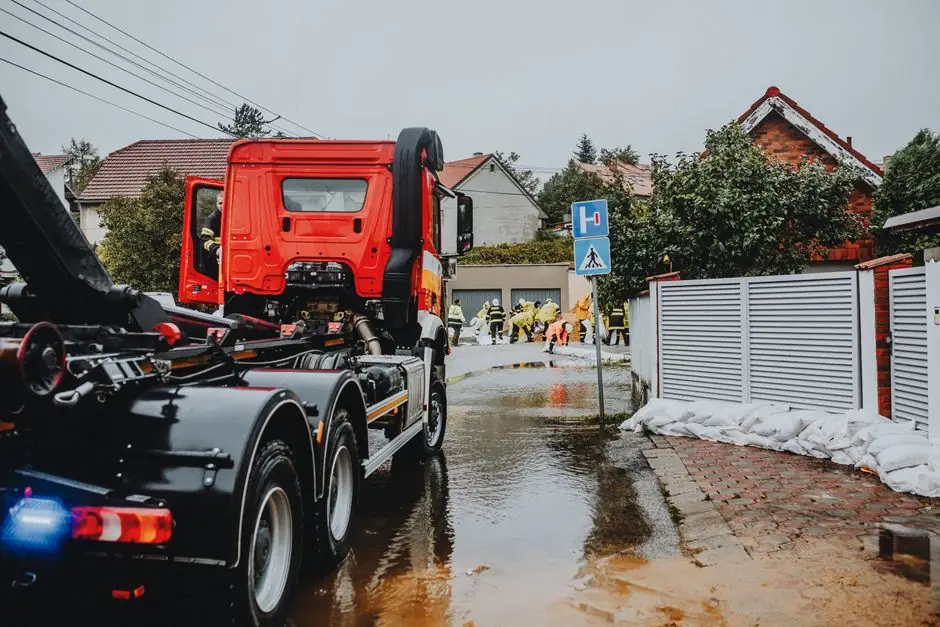
Local Water Damage Questions Answered
How quickly can ocean storm surge cause structural rot in Jacksonville Beach coastal homes?
If water remains extracted within the first 24 to 48 hours, wood framing can typically be sanitized and saved. If standing ocean water and salt deposits sit for longer, wood fibers begin rotting and mold colonization rapidly spreads.
What should Jacksonville Beach condo owners do when a water leak originates from an upstairs unit?
Notify building management and the upstairs owner immediately to shut off the source, photograph all dripping water and damaged property, and contact a professional restoration company to perform moisture mapping and protect your unit.
Does flood insurance cover wind-driven rain intrusion through windows and sliders in Jax Beach?
Standard flood insurance covers rising ground floodwaters and ocean surge, whereas wind-driven rain entering through damaged windows, roofs, or sliding glass door tracks is typically handled under standard homeowner or windstorm policies.
How do local technicians remove corrosive salt deposits left behind by ocean floodwaters?
Technicians perform freshwater neutralizer washdowns using specialized salt-binding surfactants, extract the rinse water, and deploy industrial desiccant dehumidifiers to dry framing below normal hygroscopic thresholds.
Connect With Local Water Damage Restoration Professionals
Water Damage Restoration Jacksonville connects Jacksonville homeowners with licensed, insured local water damage restoration professionals. When water threatens your property, rapid mitigation is critical to protect structural integrity and indoor air quality.
Jacksonville Beach, FL Map & Service Boundaries
We coordinate oceanfront condominium water extraction, multi-story leak drying, and tropical storm recovery across Jacksonville Beach and the Beaches community.