
St. Johns River Flooding: How Riverside and San Marco Homes Get Hit
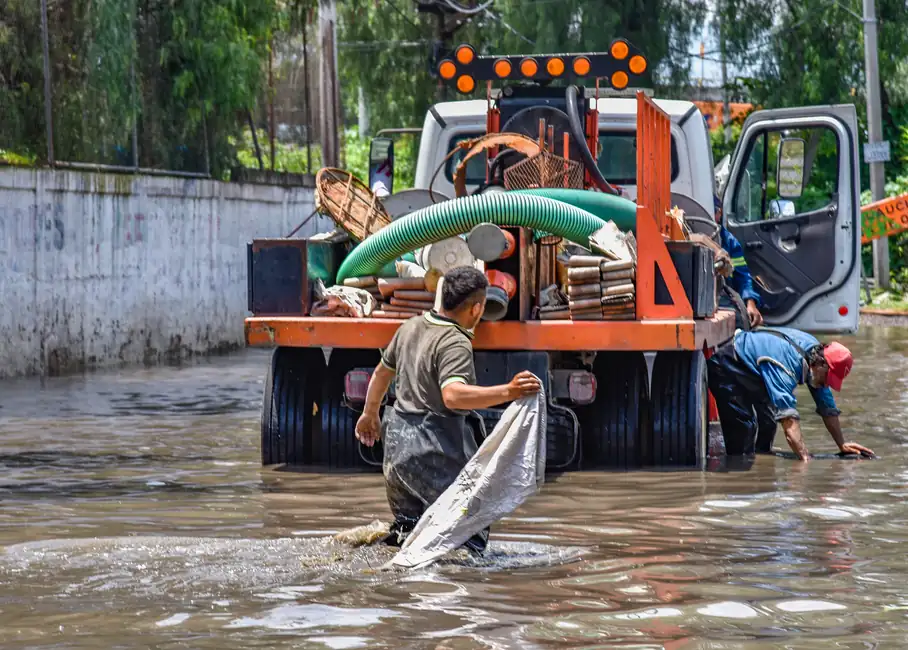
The St. Johns River flows north, which surprises most newcomers to Jacksonville. During king tides in the fall, river water pushes upstream and spills into the streets of Riverside and San Marco, sometimes reaching homes that sit blocks from the water. If you live in one of these historic neighborhoods, river flooding is not a distant risk.
Why Does the St. Johns River Flood These Neighborhoods?
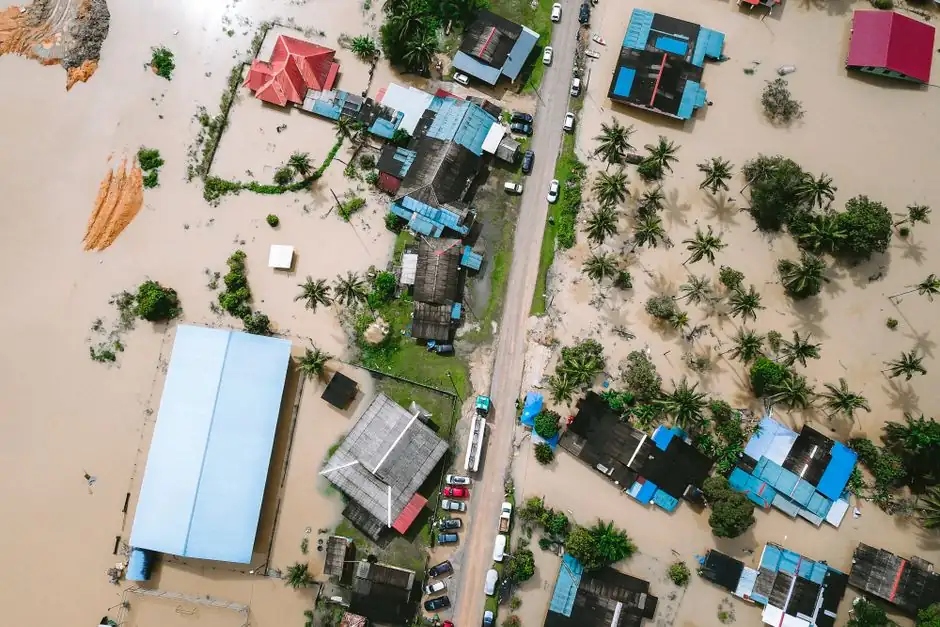
The St. Johns is one of the few major rivers in North America that flows north instead of south. This means storm surge from the Atlantic pushes water upstream against the natural current, amplifying flood levels in Jacksonville far more than most people expect. When a tropical system passes offshore, even without a direct hit, the surge funnels up the river and into low-lying neighborhoods.
Riverside and San Marco sit on some of the lowest ground in Jacksonville, with many streets just a few feet above normal river level. The historic homes here, beautiful as they are, were built before modern flood mapping. During king tides, which peak in October and November, the river can rise high enough to flood streets and yards without any rain falling at all.
Heavy rainfall compounds the problem. Jacksonville's flat terrain means water has nowhere to drain quickly. When several inches of rain fall on already-saturated ground during a slow-moving storm, the river rises and storm drains back up simultaneously. Homes near the river in Avondale and Ortega face the same double threat.
What Are the Warning Signs Your Home Is at Risk?
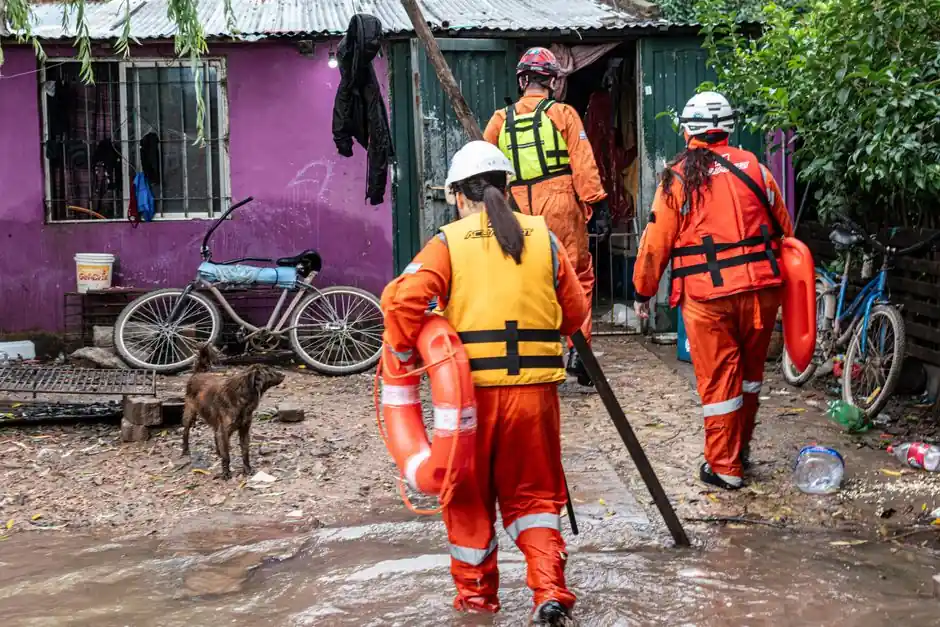
Check your flood zone designation on FEMA maps, but do not assume a low-risk zone means no risk. Many Riverside homes that flooded during recent storms sat outside the high-risk flood zone. The river does not read maps. If your street has ever had standing water after heavy rain, your home has flood exposure regardless of what the zone letter says.
Look at your home's elevation relative to the street. In San Marco, some homes sit slightly below street level because of how lots were graded decades ago. Water flows downhill, and during river flooding events, it finds these low spots first. Walk your property after heavy rain and note where water pools.
Pay attention to your neighbors. In these tight-knit historic districts, flooding tends to affect entire blocks similarly. If homes two streets over took water during the last tropical storm, your risk profile is similar. Talk to longtime residents about which intersections flood first. That local knowledge is more useful than any map.
What Should You Do Before, During, and After River Flooding?
Before flood season, move valuables off ground floors, especially in homes with slab foundations common throughout Riverside. Photograph every room for insurance documentation. Know where your electrical panel is and how to shut off power safely if water approaches. Keep sandbags on hand if your home has flooded before.
During a flooding event, do not walk through floodwater. St. Johns River floodwater mixes with storm drain overflow, septic systems, and street contaminants. It is not just river water. If water enters your home, shut off electricity at the breaker if you can do so safely from a dry location, then leave.
After water recedes, call for professional water extraction immediately. River floodwater is classified as black water because of contamination, which means porous materials like drywall and carpet padding usually need removal, not just drying. The longer contaminated water sits, the further it wicks up walls and the worse the mold risk becomes in Jacksonville's warm climate.
Related: Flood Damage Restoration in Jacksonville | Storm Damage Restoration
Quick Answers
Why does the St. Johns River flood Riverside and San Marco?
The St. Johns flows north, so Atlantic storm surge pushes water upstream against the current, amplifying flood levels. Riverside and San Marco sit on low ground just feet above normal river level. King tides, tropical storms, and heavy rain on flat terrain combine to push river water into streets and homes.
Is St. Johns River floodwater safe to touch?
No. River floodwater mixes with storm drain overflow, septic systems, and street chemicals, making it contaminated black water. Avoid all contact. Porous materials like drywall and carpet that touch floodwater typically require removal rather than cleaning.
Do I need flood insurance if I'm not in a high-risk zone?
Standard homeowners policies exclude all flooding regardless of zone. Many Riverside and San Marco homes outside high-risk zones have still flooded. Given the river's behavior during king tides and storms, separate flood insurance is worth serious consideration for any home near the St. Johns.