
Why Jacksonville's Humidity Makes Mold Grow Faster After Water Damage
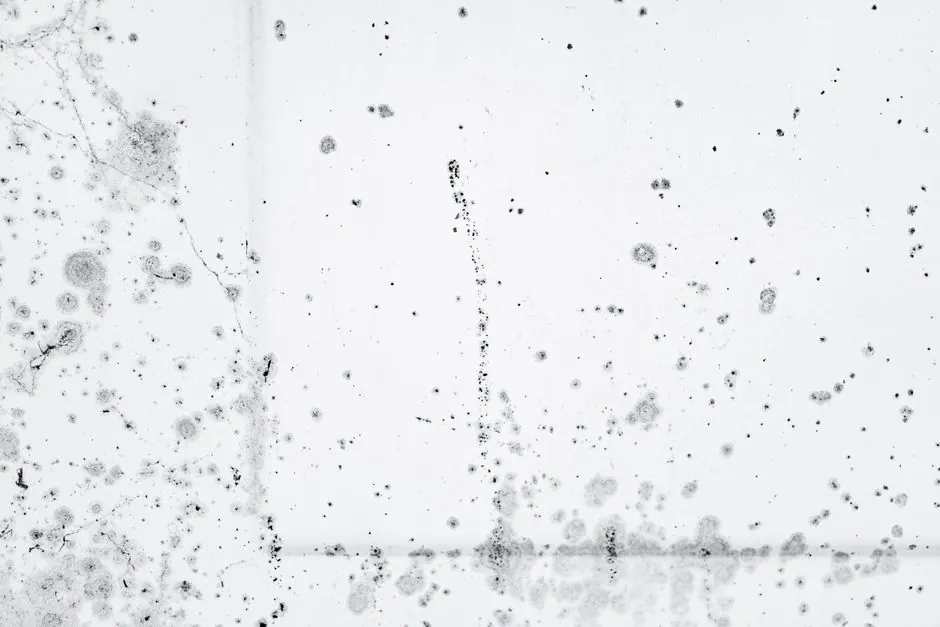
In Phoenix, a small pipe leak might dry out on its own before mold gets going. In Jacksonville, that same leak in July becomes a mold colony within 48 hours. Our humidity does not just feel oppressive. It actively feeds mold growth in ways homeowners in drier climates never have to think about.
How Does Jacksonville Humidity Change the Mold Timeline?
Mold needs three things to grow: moisture, food, and warmth. Jacksonville provides all three in abundance nearly year-round. Indoor humidity in local homes often sits at 60 to 70 percent even without any water damage, which means mold spores are already primed. Add an actual leak, and growth starts faster than the standard timelines you read online.
In drier climates, professionals talk about a 48 to 72 hour window before mold becomes a serious concern. In Jacksonville during summer, that window shrinks. With indoor temperatures in the 80s and humidity already high, mold can establish visible colonies within 24 to 48 hours of water exposure. This is why fast water extraction matters more here than almost anywhere else.
Your air conditioning helps, but only if it runs consistently. Many Jacksonville homeowners set thermostats high to save energy, or leave AC off in vacant rooms. Warm, still, humid air is exactly what mold wants. After any water event, run your AC steadily and consider supplemental dehumidification until moisture readings return to normal.
Where Does Mold Hide in Jacksonville Homes?
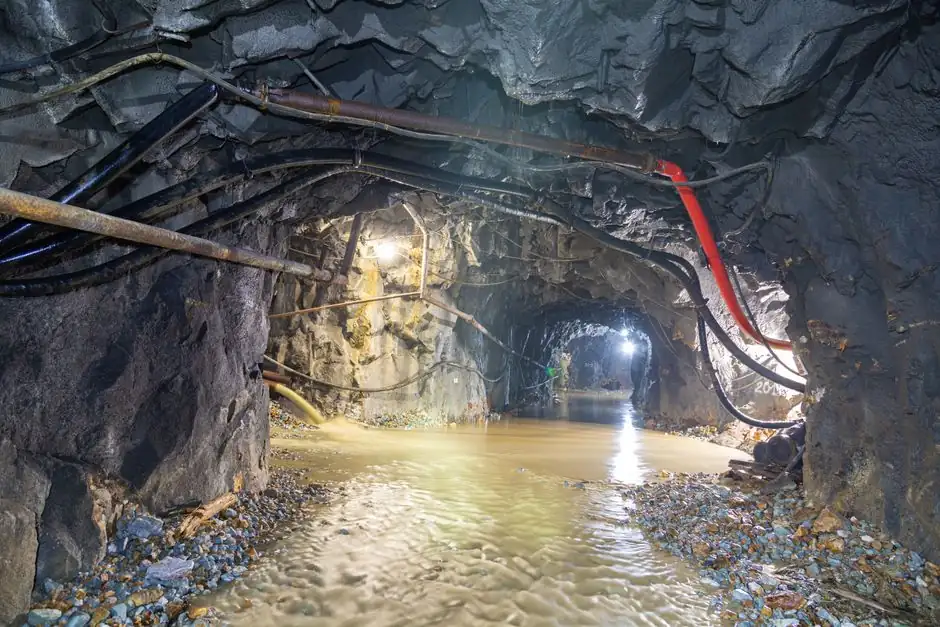
Behind drywall is the number one hiding spot. Water wicks up drywall from floor level, and mold grows on the paper backing where you cannot see it. By the time you notice a musty smell in your Atlantic Beach condo, the colony behind the wall may be extensive. This is why professionals use moisture meters on walls even when surfaces look dry.
Under sinks and behind appliances are constant trouble spots in Jacksonville kitchens and bathrooms. Our humidity means small, slow leaks that would evaporate elsewhere stay wet here. Check under every sink monthly. Pull out your refrigerator and dishwasher annually to inspect supply lines. These five-minute checks prevent the hidden mold problems that cost thousands to remediate.
Attics and crawl spaces deserve attention too. Jacksonville attics reach extreme temperatures, and when humid air meets cooler ductwork, condensation forms. That moisture feeds mold on roof decking and insulation. If your home has a musty smell you cannot source, the attic is worth inspecting.
What Actually Stops Mold After Water Damage?
Speed is everything. Professional water extraction within the first 24 hours removes the bulk moisture that mold needs. Every day of delay in Jacksonville's climate measurably increases the mold risk. Do not wait to see if things dry on their own. They will not, not here.
Industrial dehumidification is non-negotiable after significant water events. Your home AC cannot pull enough moisture fast enough from saturated materials. Restoration professionals deploy commercial dehumidifiers that drop indoor humidity to levels where mold cannot thrive, typically below 50 percent, and keep them running until moisture meters confirm materials are dry throughout.
Remove what cannot be saved. Porous materials like carpet padding, affected drywall, and insulation that stayed wet beyond 48 hours should come out. Trying to save them usually means trapping mold inside your walls. Non-porous surfaces like tile and concrete can be cleaned and dried successfully when handled promptly.
Related: Mold Remediation in Jacksonville | Structural Drying Services
Quick Answers
Does Florida's humidity make mold grow faster than other states?
Yes. Jacksonville indoor humidity often sits at 60 to 70 percent even without water damage, so mold spores are already primed. After an actual leak, visible mold can establish within 24 to 48 hours in summer, faster than the 48 to 72 hour window cited for drier climates.
How quickly should water be extracted to prevent mold in Jacksonville?
Within 24 hours at most. Every day of delay in Jacksonville's warm, humid climate measurably increases mold risk. Professional extraction plus industrial dehumidification until moisture readings normalize gives the best protection against mold colonization.
Can I prevent mold just by running my air conditioner after water damage?
Not reliably. Home AC systems cannot pull enough moisture fast enough from saturated building materials. After significant water events, commercial dehumidifiers are needed to drop indoor humidity below 50 percent until materials are verified dry with moisture meters.