
Does Homeowners Insurance Cover Water Damage in Florida?
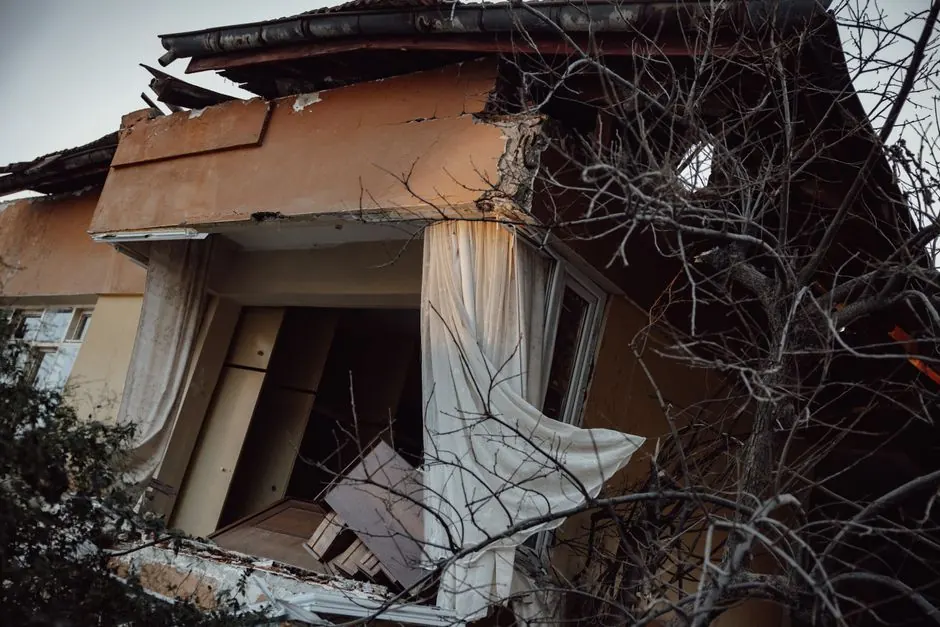
Your dishwasher supply line bursts on a Tuesday morning in Mandarin, soaking the kitchen floor before you get home from work. You call your insurance company expecting help, and the adjuster starts asking questions about maintenance records. Whether your claim gets paid depends on one critical distinction Florida insurers care about deeply.
What Does Florida Homeowners Insurance Typically Cover?
Most standard Florida homeowners policies cover water damage that happens suddenly and accidentally. A burst pipe behind your San Marco bungalow wall, a water heater that ruptures in your garage, or an appliance hose that lets go while you are at work in Downtown Jacksonville all generally qualify. The key word insurers use is sudden. If the damage happened all at once without warning, your policy likely responds.
Coverage typically pays for two things. First, the cost to repair the damaged parts of your home itself, like drywall, flooring, and cabinets. Second, many policies cover the cost of professional water extraction and drying, which matters because proper structural drying prevents the mold problems that plague Jacksonville homes in our humid climate.
Your personal property coverage may also help with damaged belongings. Furniture, electronics, and clothing ruined by a sudden leak are generally covered up to your policy limits, minus your deductible.
What Water Damage Is Usually Excluded?
Florida insurers draw a hard line at gradual damage. If that pipe under your Riverside sink has been dripping for months and you never fixed it, the resulting rot and mold is considered a maintenance failure, not a covered event. Adjusters look for signs the problem developed over time, like staining patterns, warped wood, or musty odors that suggest long-term moisture.
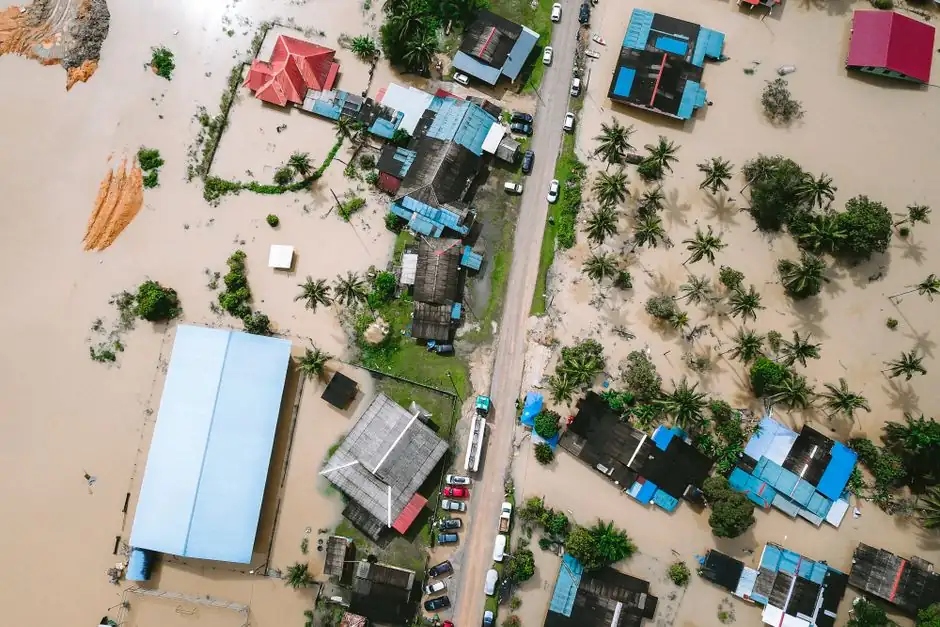
Flooding from outside your home is excluded from standard homeowners policies everywhere, and Jacksonville's position along the St. Johns River makes this especially relevant. Storm surge, river flooding, and heavy rain that enters through doors or windows requires separate flood insurance through the NFIP or a private carrier. Many homeowners in flood-prone areas near the river learn this the hard way after a tropical storm.
Sewer backup is another common exclusion. If your older Avondale home's sewer line backs up during heavy rain, standard policies typically will not pay unless you purchased a specific sewer backup endorsement. Given Jacksonville's aging infrastructure in historic neighborhoods, this endorsement is worth discussing with your agent.
How Do Jacksonville Claims Actually Work?
When you discover water damage, document everything before you touch anything. Take photos and video of the standing water, the source if visible, and all damaged areas. Jacksonville adjusters want to see the full scope before cleanup begins, though you should take reasonable steps to prevent further damage, like shutting off the water main.
Call your insurance company promptly, then call a restoration professional. Most reputable Jacksonville restoration companies document the damage with moisture readings and photos that support your claim. This documentation becomes critical if the adjuster disputes the extent of damage or tries to attribute it to pre-existing conditions.
Be prepared for the adjuster to ask about maintenance. In Florida's humid environment, insurers are aggressive about denying claims they believe stem from neglected maintenance. Keep records of plumbing repairs, water heater replacements, and any professional inspections. These records can make the difference between a paid claim and a denial.
Related: Water Damage Restoration in Jacksonville | Emergency Water Removal
Quick Answers
Does homeowners insurance cover water damage in Florida?
Most Florida homeowners policies cover sudden and accidental water damage like burst pipes or appliance failures. They typically exclude gradual leaks from poor maintenance, flooding from outside the home, and sewer backup without a specific endorsement. Coverage depends on the cause, not just the presence of water.
What water damage causes are typically excluded from coverage?
Standard policies typically exclude gradual damage from neglected maintenance, flooding from storms or rising water, sewer backup without an endorsement, and damage from unresolved known issues. In Jacksonville, river flooding and storm surge require separate flood insurance.
How do I find out if my policy has a water damage sub-limit?
Review your policy declarations page and endorsements for terms like water damage sub-limit or limited water coverage. Many Florida policies cap water damage payouts below your full dwelling limit. Call your agent directly and ask specifically about water damage caps and sewer backup endorsements.