
Burst Pipes in Jacksonville: Do Pipes Really Freeze in Florida?
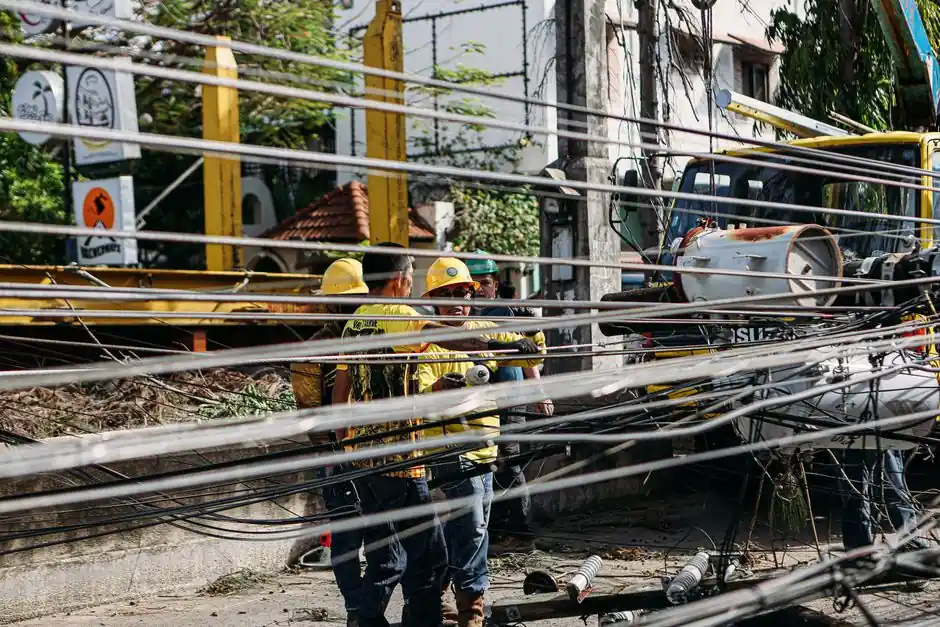
Every few winters, Jacksonville temperatures drop into the 20s overnight, and the next morning brings a wave of burst pipe calls. Northern transplants assume Florida pipes cannot freeze. Longtime residents know better. Our plumbing was not built for sustained cold, which makes even brief freezes surprisingly destructive.
Can Pipes Actually Freeze in Jacksonville?
Yes, and it happens more often than most people think. Jacksonville sees freezing temperatures several nights most winters, and every few years a hard freeze drops temperatures into the low 20s for hours. That is more than enough to freeze water in exposed or poorly insulated pipes.
The problem is that Jacksonville plumbing was designed for heat, not cold. Pipes often run through unconditioned attics, crawl spaces, and exterior walls with minimal insulation. In northern states, plumbing is routed to avoid freeze exposure. Here, builders never expected sustained freezing, so pipes sit exactly where cold air hits them hardest.
Homes in neighborhoods with elevated foundations or pier-and-beam construction, found in parts of Riverside, Springfield, and older Arlington, are especially vulnerable. Pipes underneath these homes are fully exposed to cold air. A single night in the mid-20s can freeze them solid.
Which Pipes Are Most Vulnerable?
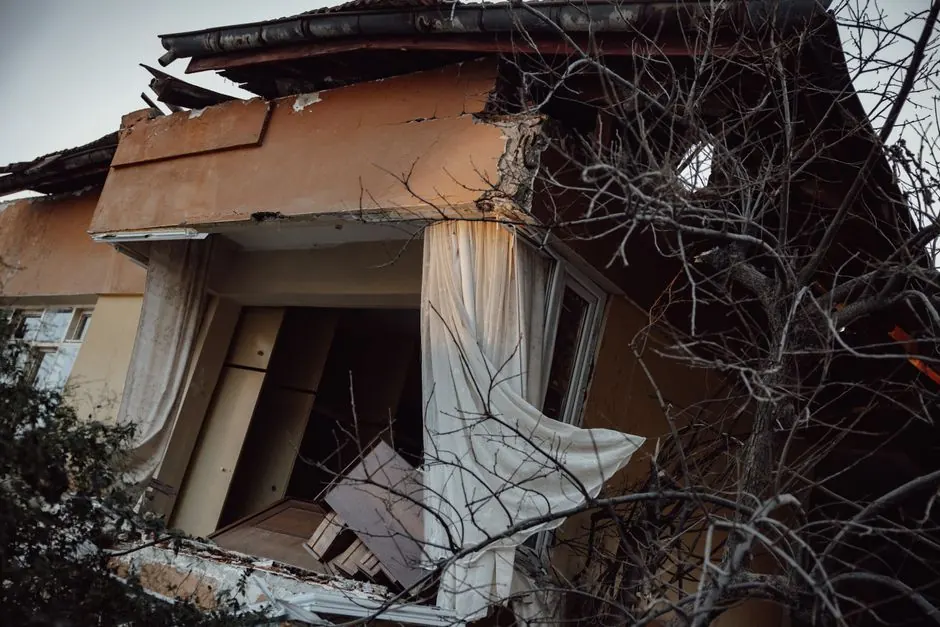
Exterior hose bibs and the pipes feeding them are the first casualties. Many Jacksonville homes have hose bibs without frost-proof designs because freezing was considered rare. When the bib freezes, ice expands back into the interior pipe, which then bursts inside your wall. The damage appears indoors even though the freeze started outside.
Attic pipes are the second major risk. Jacksonville attics are ventilated to release summer heat, which means frigid winter air flows freely around any plumbing routed through the space. Water lines to upstairs bathrooms often cross the attic. During a hard freeze, these are sitting ducks.
Swimming pool equipment takes a beating too. Pumps, filters, and exposed PVC plumbing around pools in neighborhoods like Julington Creek and Nocatee can crack during freezes. Running your pool pump overnight during freezing weather keeps water moving, which helps prevent ice formation in the equipment.
How Do You Prevent Pipe Bursts During Cold Snaps?
When freeze warnings are issued, let faucets drip slightly, especially those on exterior walls. Moving water is much harder to freeze. Open cabinet doors under sinks to let warm house air reach the pipes. These simple steps prevent the vast majority of freeze bursts.
Disconnect all garden hoses and drain hose bibs before cold weather arrives. Cover exterior faucets with insulated faucet covers, available at any hardware store for a few dollars. This small investment prevents the most common type of freeze damage in Jacksonville homes.
If you are leaving town during winter, do not turn your heat completely off. Set the thermostat to at least 55 degrees. Ask a neighbor to check on your home during hard freezes. An empty house with no heat circulation is the classic setup for a catastrophic multi-room pipe burst discovered days later.
Related: Burst Pipe Repair & Cleanup in Jacksonville | Emergency Water Removal
Quick Answers
Do pipes freeze in Jacksonville Florida?
Yes. Jacksonville sees freezing temperatures most winters, and hard freezes into the 20s occur every few years. Local plumbing was designed for heat, not cold, with pipes often running through unconditioned attics and crawl spaces where freezing air reaches them easily.
Which Jacksonville homes are most at risk for frozen pipes?
Homes with elevated or pier-and-beam foundations, exposed exterior plumbing, hose bibs without frost-proof designs, and water lines routed through ventilated attics. Older homes in Riverside, Springfield, and Arlington with original plumbing are especially vulnerable during hard freezes.
What should I do if my pipes freeze in Jacksonville?
Keep the faucet open and apply gentle heat with a hair dryer or warm towels, working from the faucet toward the frozen section. Never use an open flame. If a pipe has already burst, shut off your main water valve immediately and call for emergency water extraction to limit damage.